This post is also available in:
Understanding Mirin, Its Types, Halal Considerations, and Substitutes
If you’re exploring Japanese cuisine or cooking traditional dishes at home, you’ve probably heard of mirin — a sweet rice seasoning that plays an essential role in Japanese cooking. But for many Muslim readers, one question often arises: Is mirin halal? This guide explains mirin, its varieties, halal considerations, and practical alternatives.
What is Mirin?
Mirin is a classic Japanese seasoning made from glutinous rice, rice koji (a type of cultured rice), and shochu (a distilled liquor). The mixture is aged — typically 40 to 60 days — to develop its sweetness and depth of flavor.
In Japanese cuisine, mirin is used for:
- Sweetness and balances
- Gloss and beautiful shine
- Enhancing umami and richness
It appears in dishes such as teriyaki, simmered dishes, sauces, and glazes, helping create classic Japanese flavors.
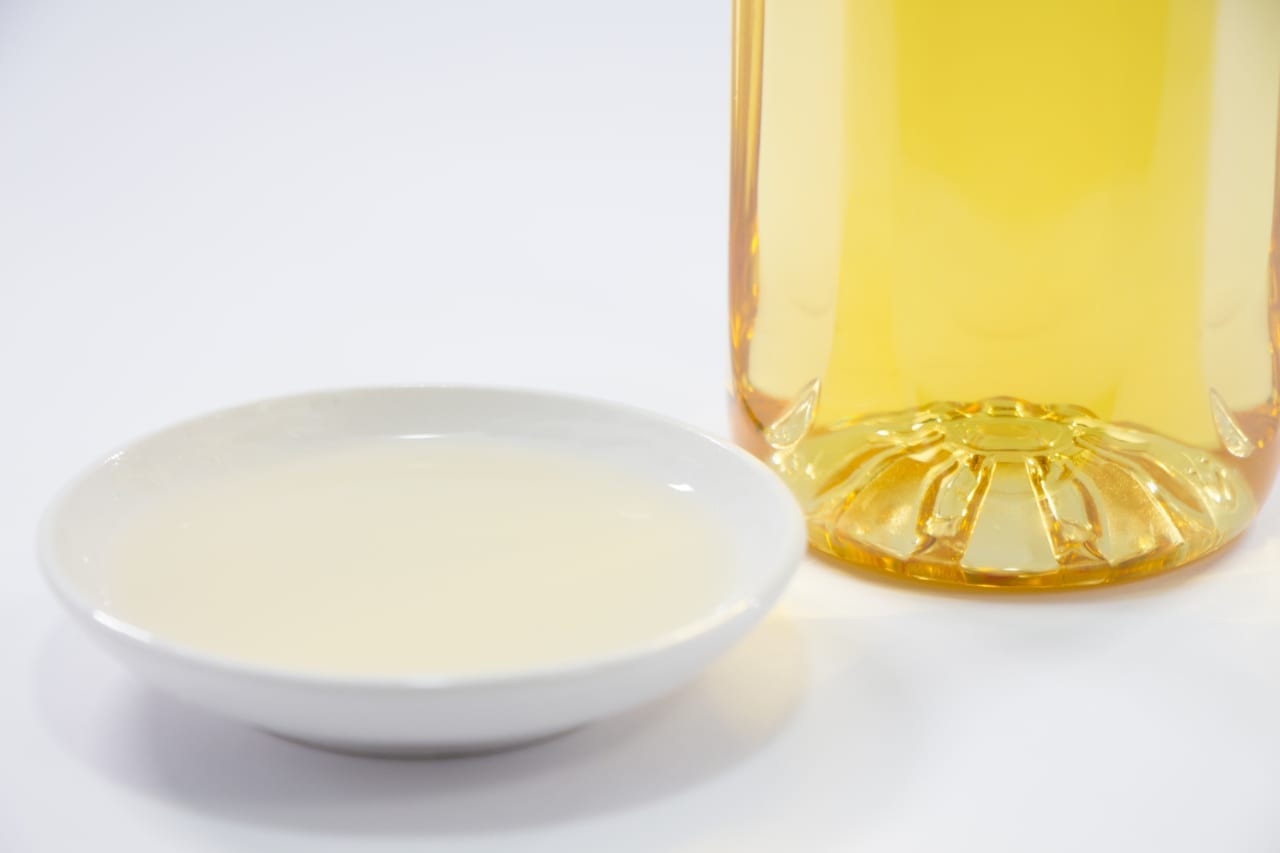
Types of Mirin You’ll Find in Japan
There are two main types of mirin commonly available in supermarkets:
Hon-Mirin (本みりん — Traditional Mirin)
- Made from glutinous rice, rice koji, and shochu
- Aged naturally
- Contains approximately 14% alcohol
- Classified as an alcoholic beverage in Japan
Because of the alcohol content, this is generally not considered halal by most Islamic authorities.
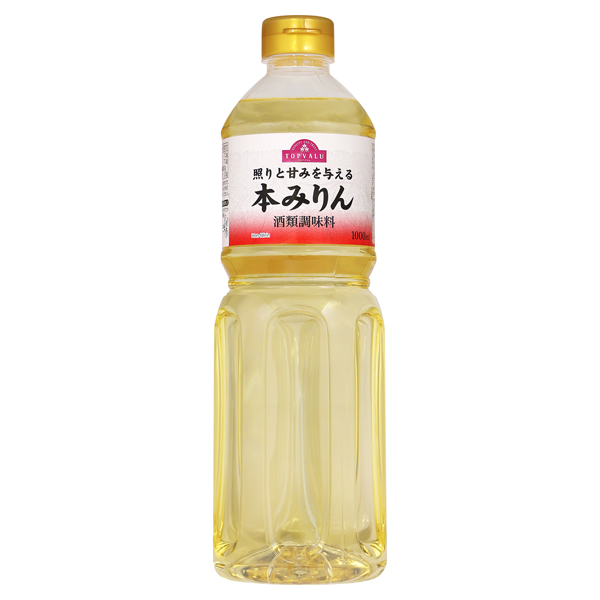
Hon-mirin image. Credit to Top Valu.
Mirin-like seasoning(みりん風味調味料)
- Made from sugars (e.g., glucose or starch syrup)
- Often includes rice vinegar or amino acids for umami
- Contains less than 1% alcohol or is alcohol-free
- Usually more affordable than hon-mirin
While it tastes similar and the alcohol level is very low, its halal status can still depend on personal belief and interpretation.
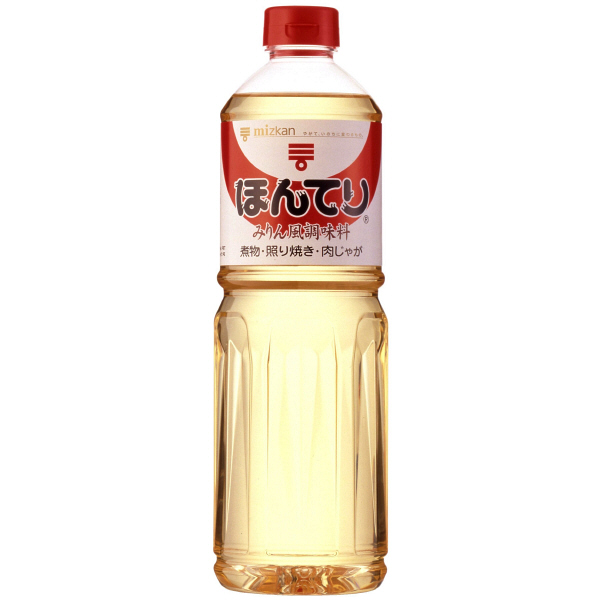
Mirin-like seasoning image. Credit to Lohaco.
Is Mirin Halal? Current Perspectives
📌 Traditional hon-mirin (the genuine kind) — Not halal due to its relatively high alcohol content, and it is not eligible for most halal certifications.
📌 Mirin-like seasoning — Because it contains very little (less than 1%) or no alcohol, some Muslim consumers consider it halal, but this can vary depending on your school of thought or fatwa guidance. Some authorities recommend caution unless the product is halal-certified.
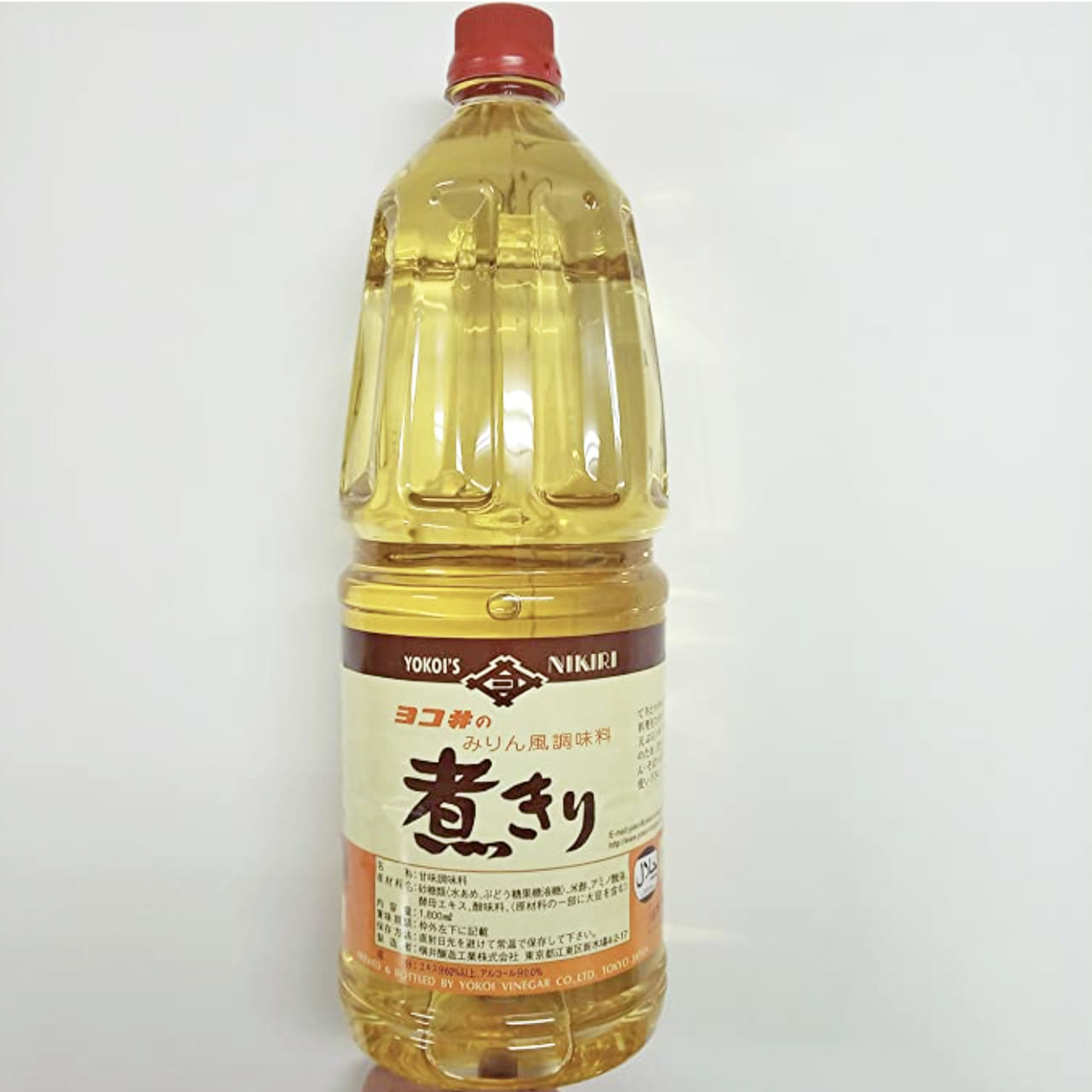
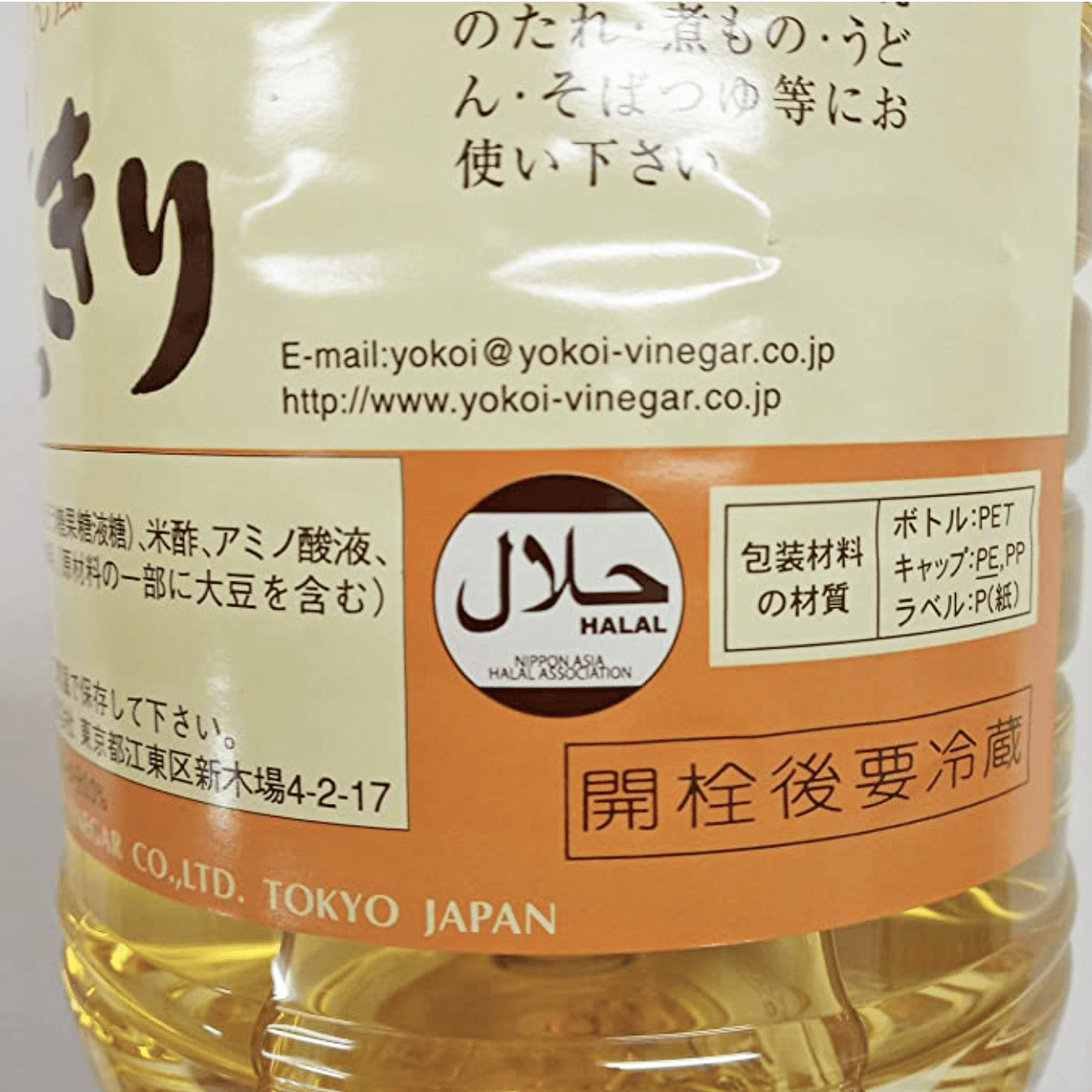
📌 Certified Halal Mirin Products — Some seasonings labeled as mirin-style have received official halal certification in Japan, making them suitable for halal cooking and restaurants serving Muslim customers. For example, halal-certified mirin-like seasonings are available from brands such as Yokoi Jozo (煮きり 1800 ml, halal-certified). (Get halal mirin from Amazon)
📌 Fatwa Variations — There are differing opinions worldwide. For example, some fatwas suggest that if alcohol fully evaporates in cooking, it may be considered permissible (mubāḥ), but this is not a universal position and should be taken according to individual guidance.
Are There Completely Halal Alternatives?
Yes — several approaches can help you enjoy Japanese flavors while respecting halal dietary laws:
✅ Halal-Certified Mirin-Style Seasonings
These products are made without alcohol and carry a halal certification from legitimate bodies, giving peace of mind for home and restaurant use.
✅ Mirin Substitutes in Cooking
-
Sugar + vinegar/rice vinegar — A simple mix that approximates sweetness and acidity.
-
Honey or maple syrup diluted with water — Adds sweetness and shine to dishes like teriyaki without alcohol.
-
Date syrup — Commonly used in halal kitchens and locally familiar in Muslim cooking contexts (date syrup on Amazon Japan)
(This is widely accepted as a natural halal sweetener).

Dates syrup
Using these substitutes can help replicate the functions of mirin — sweetness, gloss, and flavor balance — while aligning with halal principles.
Tips for Cooking Halal Japanese Food
-
Always read ingredient labels — Especially for sauces and seasonings.
-
Look for halal certification marks — This applies to soy sauce, vinegar, and other condiments that may otherwise contain trace alcohol.
-
Communicate with restaurants — In Japan, many establishments may not be aware of alcohol-based seasonings unless asked directly.
Conclusion
Mirin is a defining seasoning in Japanese cuisine, but traditional hon-mirin contains alcohol and is generally not considered halal. Mirin-like seasonings with very low or no alcohol — especially those with halal certification — offer practical options for Muslim home cooks and chefs alike. Understanding labels and ingredients will help you enjoy Japanese cooking confidently and respectfully.