This post is also available in:
A Traditional Japanese Inn Redefines Hospitality Through Plant-Based Cuisine
Located at the southernmost tip of Aichi Prefecture, the Atsumi Peninsula is blessed with a mild climate, abundant sunshine, and fertile soil. Surrounded by Mikawa Bay and the Pacific Ocean, the region is known as one of Japan’s leading agricultural areas.
In Tahara City’s Fukue Town stands Wami no Yado Kakujoro, a long-established hot spring ryokan founded in 1926. Designated as a Registered Tangible Cultural Property, the ryokan has welcomed guests from around the world for nearly a century.
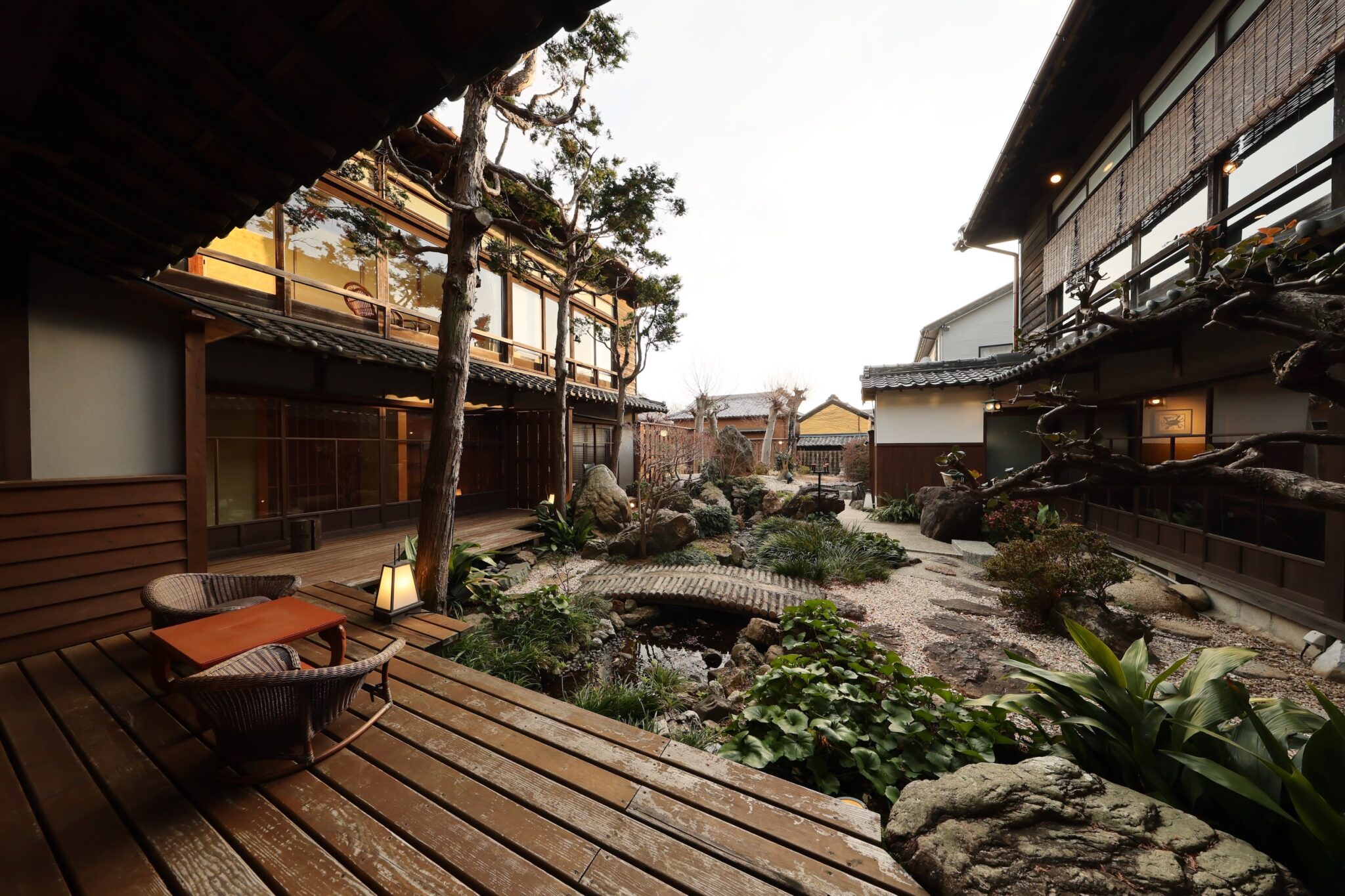
Today, Kakujoro is opening a new chapter—by introducing vegan kaiseki cuisine, carefully crafted with the same dedication that has defined its hospitality for generations.
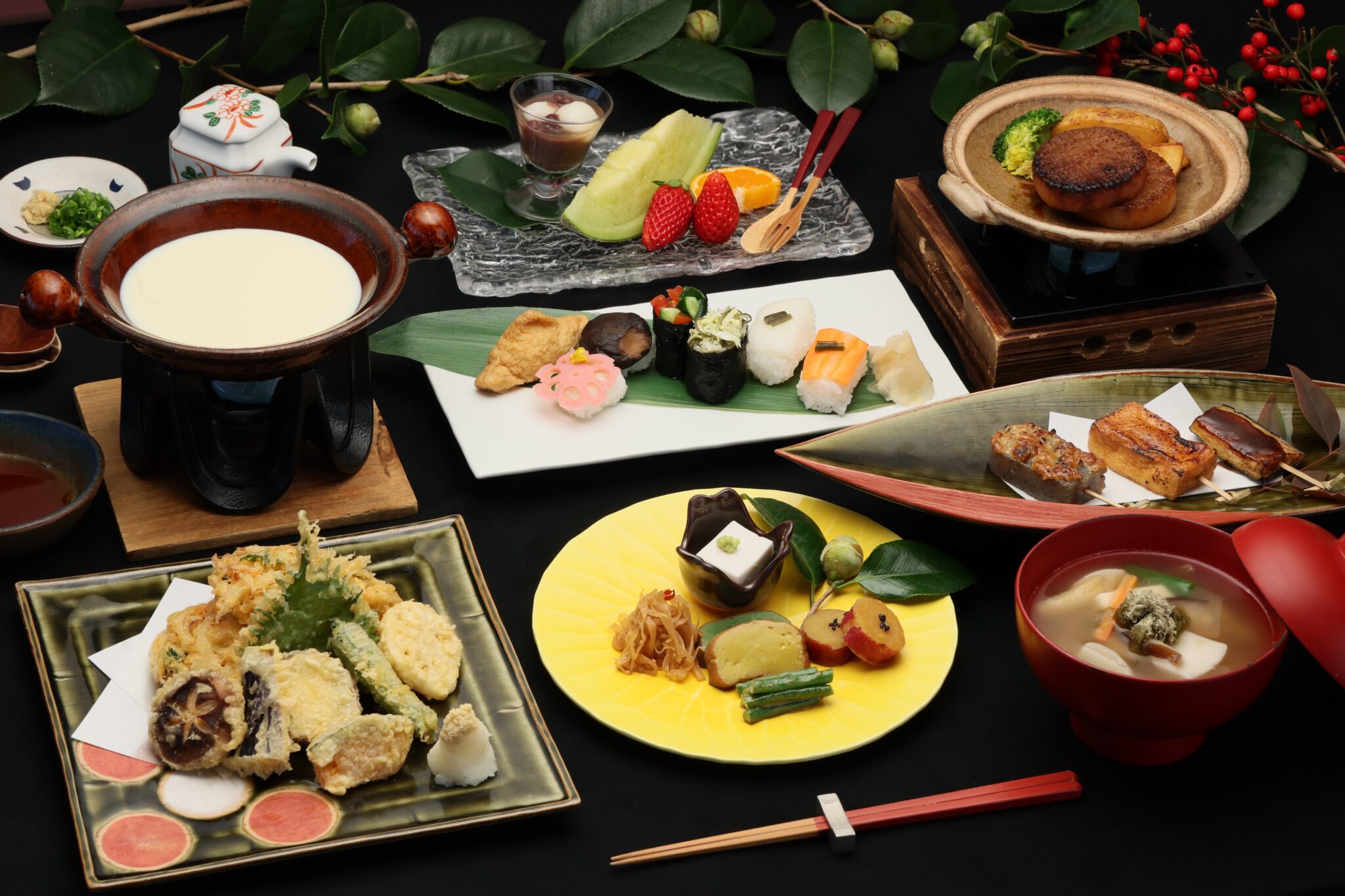
Kakujoro’s Vegan Kaiseki
Discovering “Another Treasure” in Local Fields
It was the third-generation owner, Junji Uemura, who found the answer close to home. The “other treasure” lay not in the sea, but in the surrounding fields of the Atsumi Peninsula.
Nourished by mineral-rich sea breezes and one of Japan’s longest annual sunshine durations, local vegetables from Atsumi possess remarkable flavor and vitality. At Kakujoro, these vegetables now take center stage in the vegan kaiseki menu, prepared using refined Japanese techniques.
Instead of bonito-based dashi, chefs create deep, layered flavors using vegetable peels and cores, kombu seaweed, miso, and vegan-friendly soy sauce. Through fermentation and careful preparation, the dishes achieve richness and complexity—entirely plant-based.
A Seasonal Vegan Kaiseki Experience
While the menu changes with the seasons, a typical vegan kaiseki course may include:
-
Appetizer
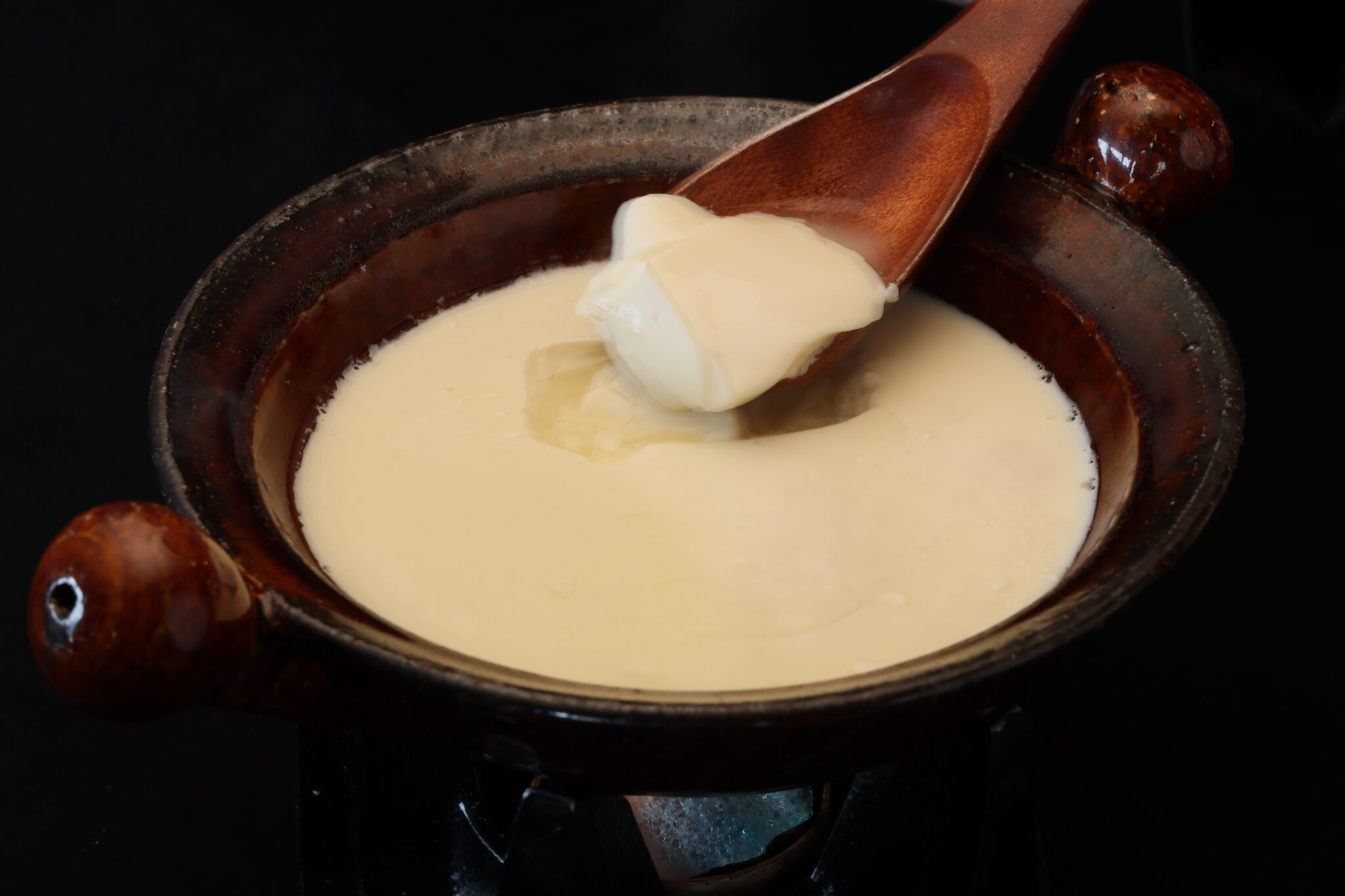
Handmade tofu crafted solely from soy milk and natural nigari -
Seasonal Starters
A selection of seasonal vegetables, each prepared to highlight its natural character -
Main Side Dish
Dengaku-style vegetables glazed with traditional Hatcho miso from the Mikawa region -
Grilled Dish
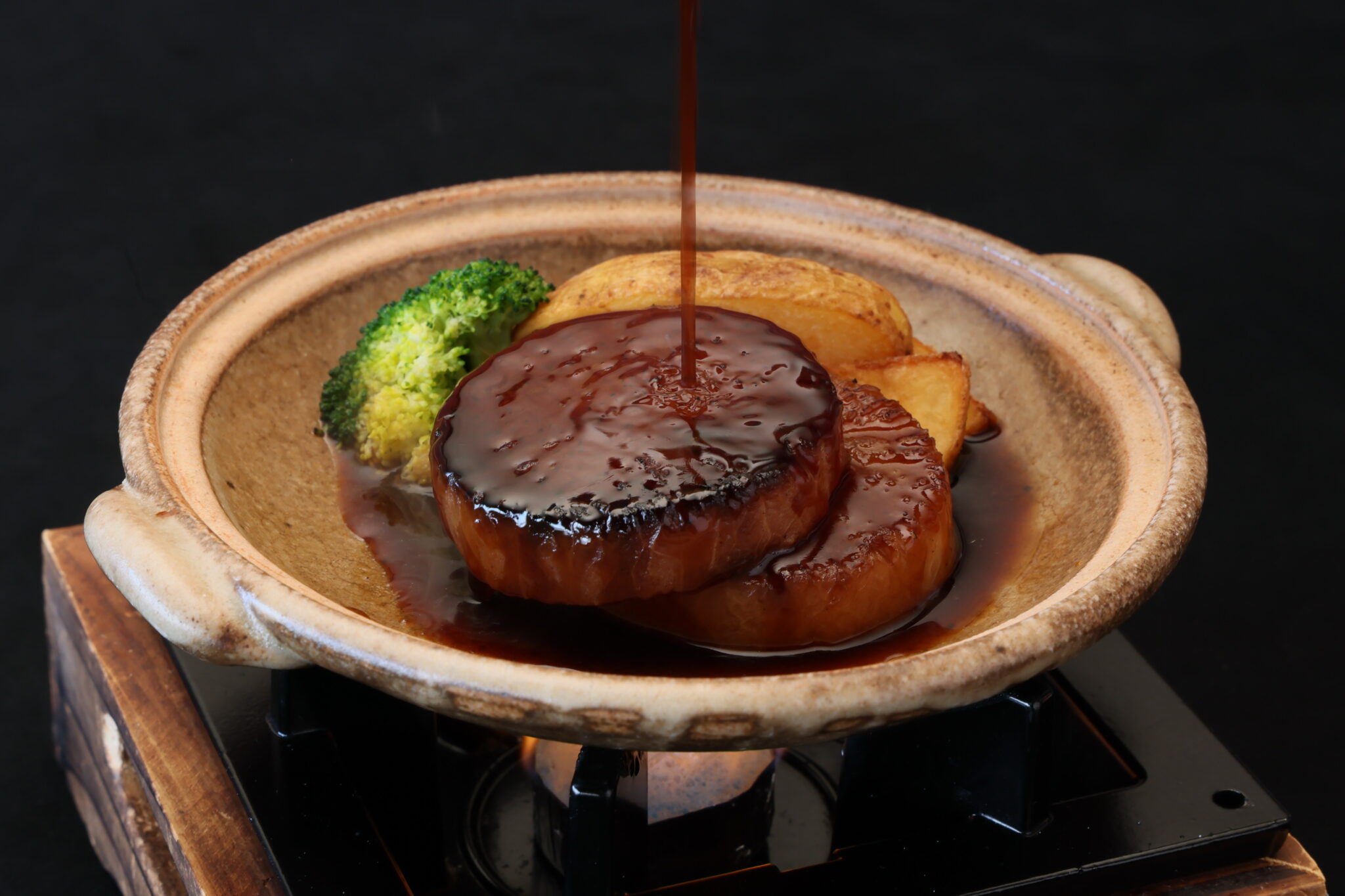
Thick-cut Atsumi daikon steak, slowly cooked to bring out its natural sweetness -
Fried Dish
Local vegetable tempura served with matcha salt made from Nishio-grown green tea -
Rice Dish
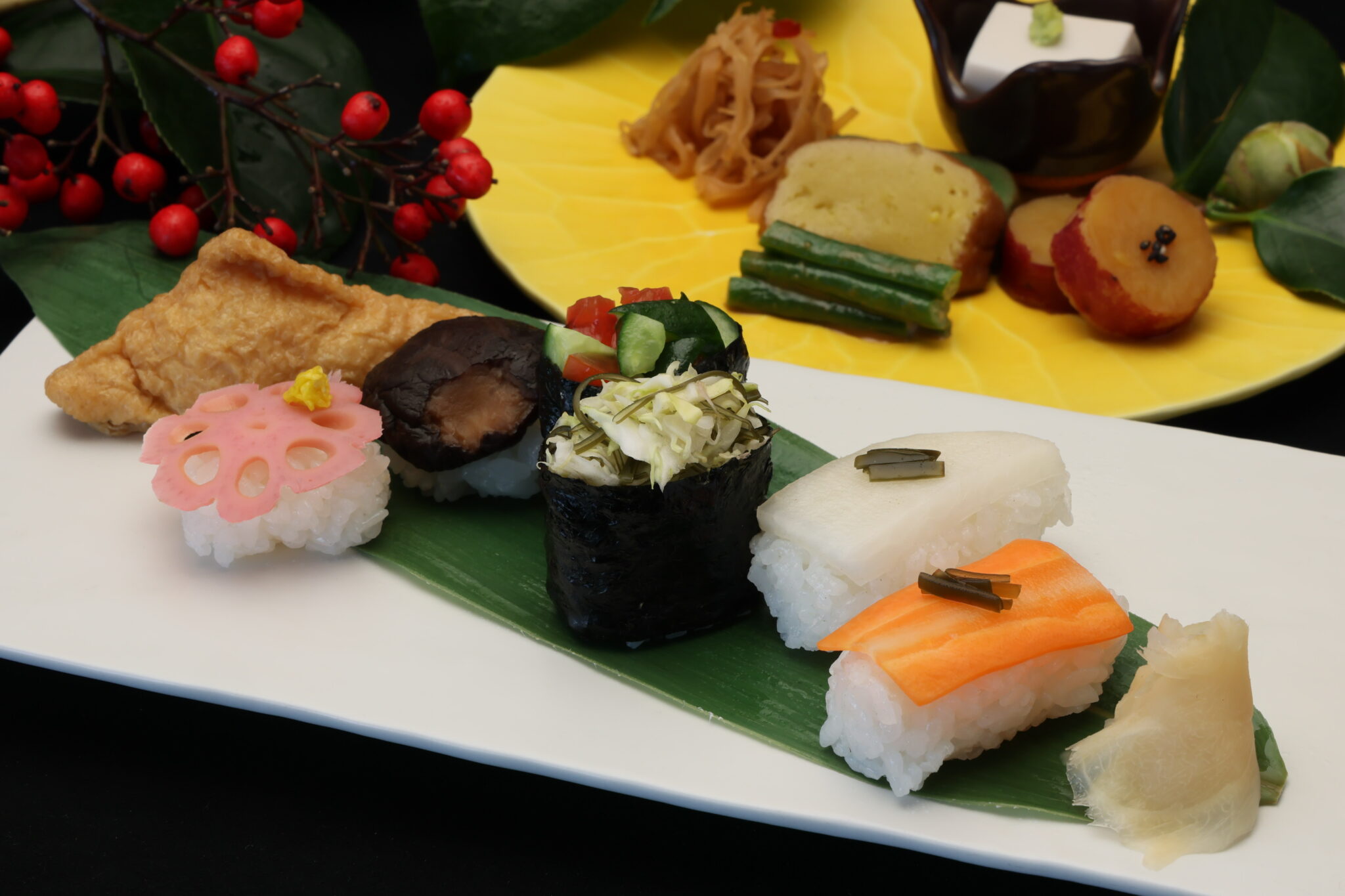
Vegetable sushi accompanied by Tako rice, cooked gently in a clay pot
While fully vegan, the structure and visual elegance of traditional kaiseki cuisine are carefully preserved.
Responding Seriously to Food Diversity
As inbound travel to Japan continues to recover, Kakujoro found itself facing a growing reality: the rapid increase in guests seeking vegan, vegetarian, and allergy-conscious dining options, particularly from Europe, North America, and East Asia.
For a ryokan long celebrated for its seafood-based cuisine, creating meals without any animal-derived ingredients was no simple task. Even traditional Japanese dashi, typically made with bonito flakes, could no longer be used—posing a fundamental challenge to Japanese culinary traditions.
Welcomed by Both International and Japanese Guests
The vegan kaiseki is enjoyed not only by international travelers, but also by Japanese guests. Health-conscious diners, long-stay guests seeking lighter meals, and those curious about plant-based cuisine all find value in this thoughtful offering.
Additionally, Kakujoro makes use of locally grown vegetables that may be irregular in shape and difficult to sell on the market, transforming them into dashi and sauces. This approach helps reduce food loss while supporting local farmers.
A “Vegetable Journey” into the Future of Atsumi Peninsula
Kakujoro’s initiative represents more than menu diversification. It is an effort to create a dining experience where everyone—regardless of dietary background—can share the same table and enjoy the same sense of hospitality.
Within the ryokan’s nostalgic Showa-era atmosphere, guests are invited to rediscover vegetables grown by soil, sunlight, and careful hands. This quiet, nourishing experience offers a modern definition of luxury—distinct from lavish seafood spreads, yet deeply satisfying.
For your next journey in Japan, why not explore the scenic Atsumi Peninsula and embark on a “vegetable journey” that nourishes both body and spirit?
Details about Kakujo
| Establishment name | Wamo no Yado “Kakujoro” |
|---|---|
| Address | Shimoji-38 Fukuecho, Tahara, Aichi Prefecture 〒441-3617 |
| TEL | 0531-32-1155 |
| HP | https://www.kakujoro.com/ |
| Happy Cow | On Application |