This post is also available in:
Chef Kusumoto Of Saido Helps Create A Vegan, Alcohol Free, And Gluten Conscious Udon Broth For A More Inclusive Japan
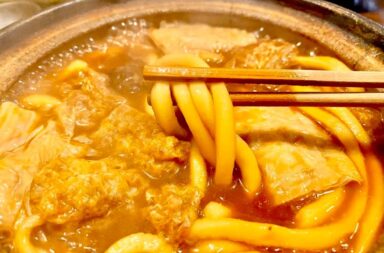
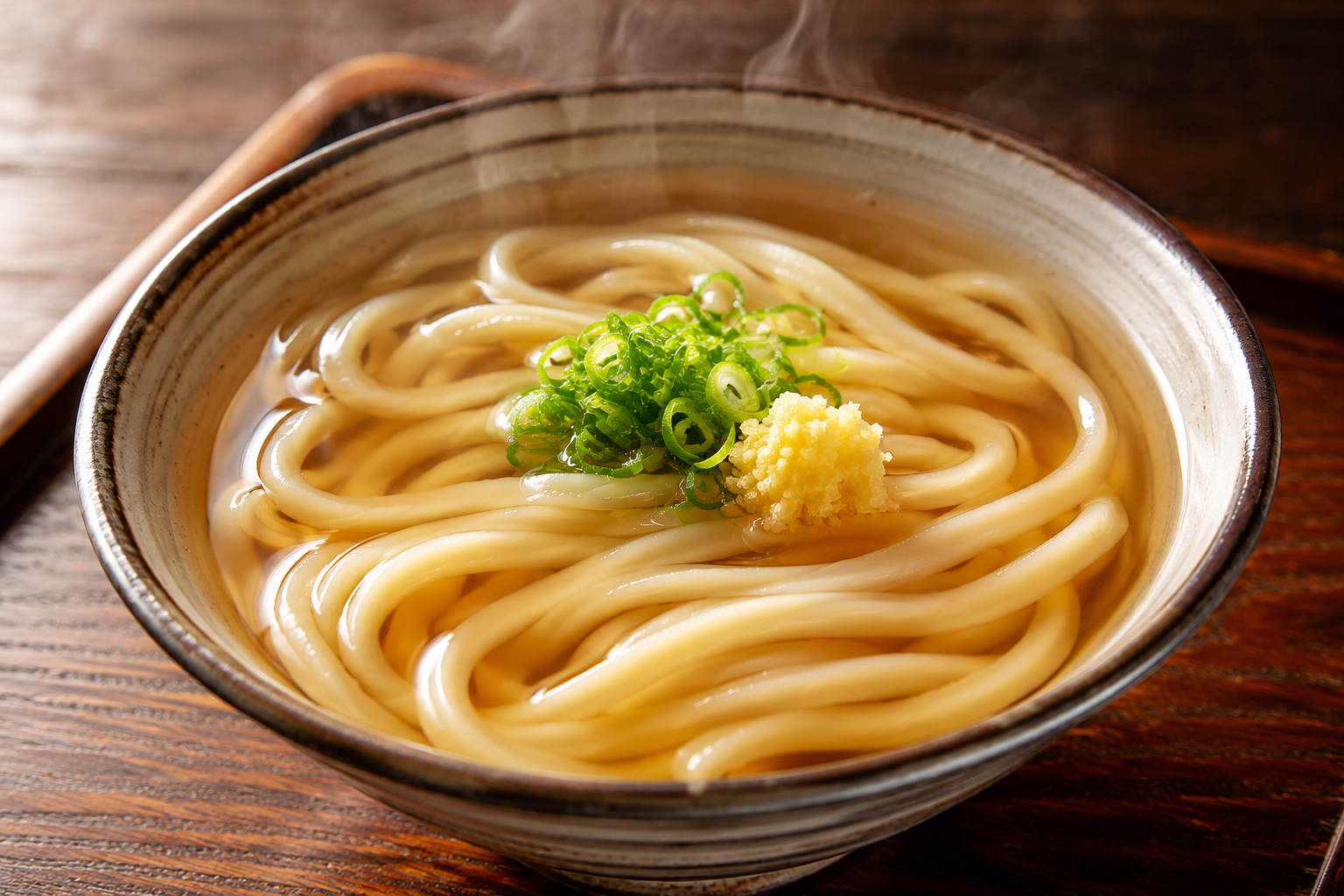
Many vegan travelers arrive in Japan excited to try local dishes such as ramen, sushi, tempura, and udon. However, while udon may appear plant based at first glance, the biggest challenge is often not the noodles themselves. It is the broth.
Traditional Japanese udon broth commonly contains ingredients such as bonito flakes (katsuobushi) or dried sardines (iriko), making many seemingly vegetarian dishes unsuitable for vegans. As more international travelers with dietary requirements visit Japan, restaurants are increasingly looking for practical ways to offer authentic Japanese cuisine while accommodating a wider range of guests.
One new product aims to help address this challenge.
A Vegan Udon Broth Developed For Food Diversity
Sansho Company, a Japanese manufacturer specializing in udon and noodle products, has announced the launch of “Yama no Tsuyu“, a vegan friendly udon broth designed to help restaurants serve more guests without compromising the essence of Japanese udon.
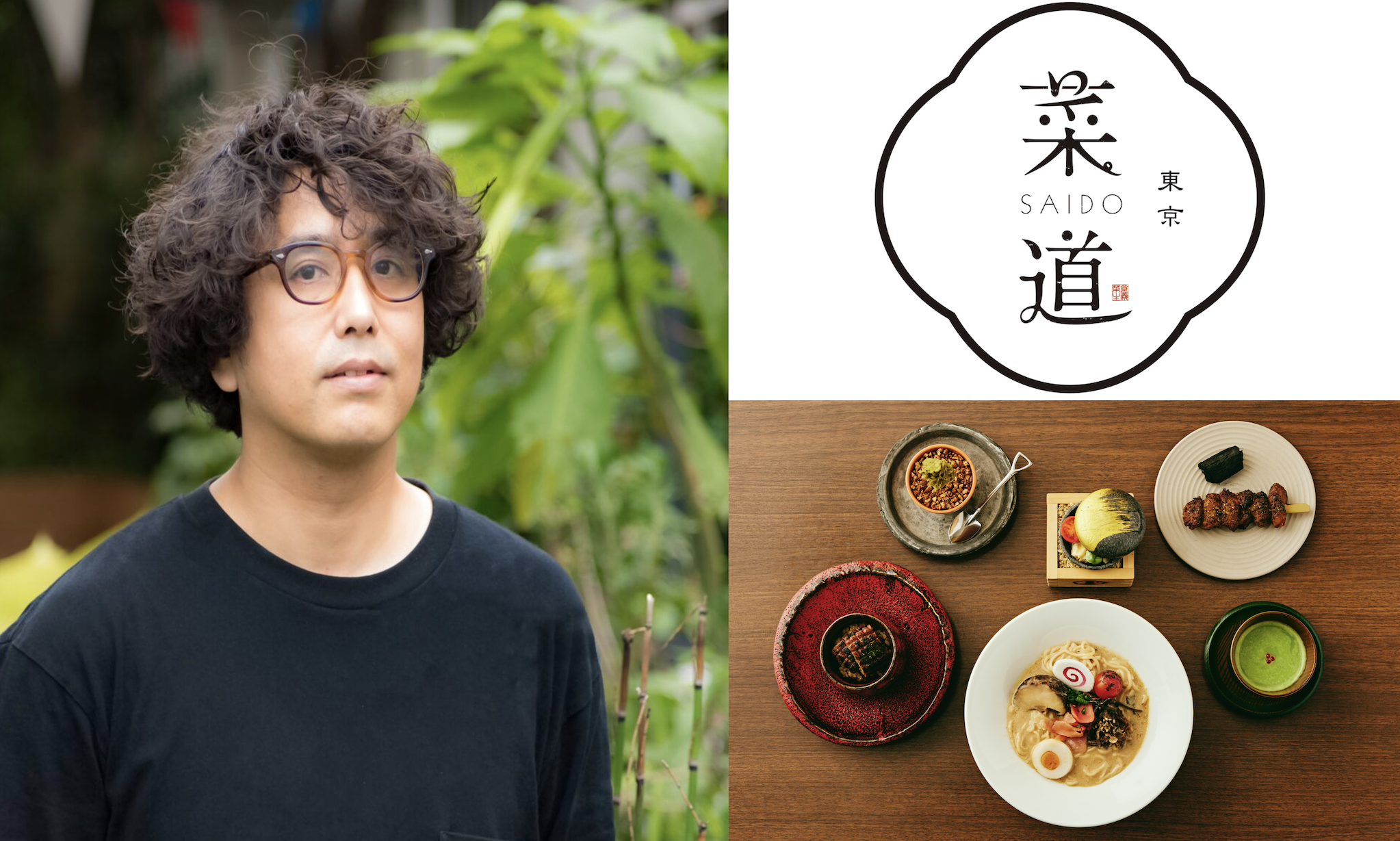
The product was supervised by Chef Kusumoto of Saido, the renowned vegan restaurant in Tokyo that has previously been ranked No.1 on HappyCow, one of the world’s largest vegan restaurant platforms.
Rather than focusing on the noodles, the development team identified the broth as one of the biggest barriers preventing vegan travelers from enjoying udon in Japan.
By removing animal derived ingredients while preserving umami and traditional flavor profiles, Yama no Tsuyu offers restaurants a new option for expanding their menu accessibility.
(For businesses) Inquiry and request sample
More Than Just Vegan
One notable feature of Yama no Tsuyu is that its appeal extends beyond vegan diners.
The broth is also designed to be:
- Vegan friendly
- Alcohol free
- Gluten conscious
For restaurants, this can make menu planning easier when serving guests with different dietary needs.
For example, when combined with gluten free noodles, restaurants can create a meal suitable for customers who avoid both animal products and gluten.
Similarly, the alcohol free formulation may appeal to guests who avoid alcohol for religious or personal reasons.
As food diversity continues to become a more important topic in Japan’s tourism industry, products that can accommodate multiple dietary requirements are attracting increasing attention.
Transparency Remains Essential
The company also emphasizes an important point often overlooked in discussions about vegan and special dietary menus.
While Yama no Tsuyu itself is vegan friendly and gluten conscious, it is not produced in a dedicated vegan or gluten free facility. In addition, restaurants using the product should clearly communicate information about cooking equipment, shared boiling stations, and preparation methods.
This reflects an increasingly important principle in food diversity: the goal is not for restaurants to decide whether a dish is suitable for every customer. Instead, businesses should provide accurate and transparent information so each guest can make their own informed decision based on their personal standards and requirements.
Supervised By One Of Japan’s Most Recognized Vegan Chefs
One challenge frequently mentioned by travelers is that some vegan alternatives focus heavily on compliance but less on flavor.
To address this concern, Sansho collaborated with Chef Kusumoto, whose restaurant Saido has earned international recognition among vegan diners visiting Japan.
The development goal was simple:
Create a broth that allows more people to enjoy udon without sacrificing the delicious taste that makes Japanese noodle culture special.
Supporting Restaurants As Demand Grows
Alongside the launch of Yama no Tsuyu, Sansho will hold a seminar in Tokyo on July 1, 2026.
The event will cover:
- Fundamentals of vegan hospitality
- Food diversity strategies
- Real restaurant case studies
- Approaches for attracting inbound travelers
As Japan continues welcoming growing numbers of international visitors, more restaurants are exploring ways to become accessible to a wider audience.
For vegan travelers, products like Yama no Tsuyu may represent another step toward enjoying authentic Japanese food with greater confidence and fewer compromises.
And for restaurants, it offers a practical way to make one of Japan’s most beloved dishes available to more people than ever before.