This post is also available in:
From Rich Vegan Tantanmen to Plant-Based Kamameshi and a Vegan Hot Spring Ryokan Experience
As more international travelers visit Japan, restaurants that cater to diverse dietary needs—including vegan and vegetarian—are gradually becoming more common. Kumamoto is no exception. While the city is known for its rich culinary traditions and local ingredients, a growing number of establishments are now offering creative vegan options that blend traditional Japanese flavors with plant-based cooking.
Here are three noteworthy spots in Kumamoto where you can enjoy delicious vegan dishes. Whether you are a traveler, a health-conscious diner, or simply curious about plant-based Japanese cuisine, these places are worth adding to your itinerary.
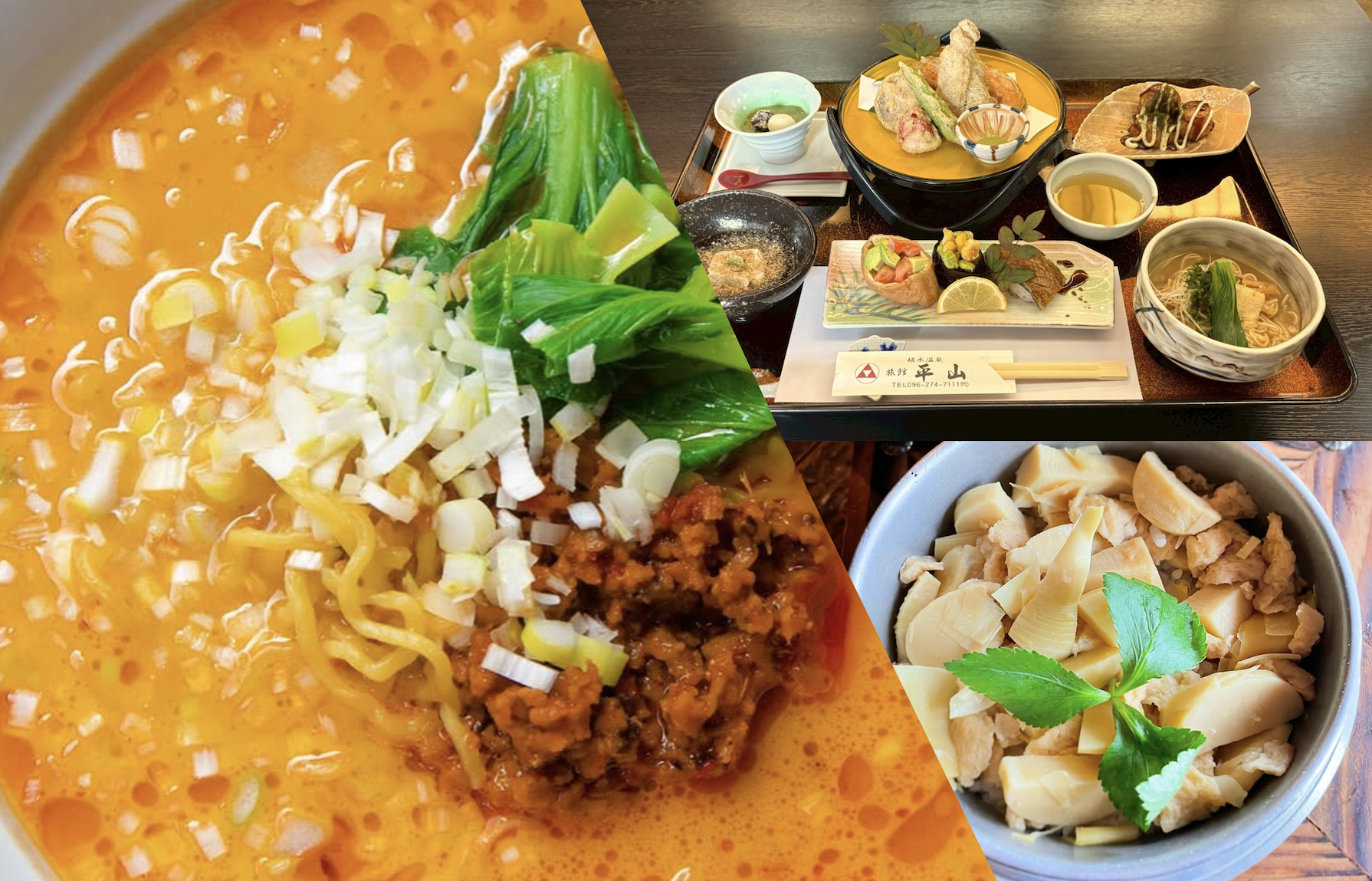
Ganjin Shokudo – Vegan Tantanmen with Rich Flavor
Located in Kumamoto City, Ganjin Shokudo (Google Maps) is a popular restaurant known for serving vegan and Taiwanese vegetarian cuisine using authentic Chinese cooking techniques. The restaurant takes its name from the Buddhist monk Ganjin, who helped introduce food culture along with Buddhism to Japan. Its concept is simple but meaningful: creating a place where everyone can enjoy a meal together.
See Also
Ganjin Shokudo: Vegan Tantanmen in Kumamoto

One of the restaurant’s standout dishes is its vegan tantanmen. Made without any animal ingredients, the dish features a creamy white sesame broth and a flavorful plant-based “minced meat” topping. The result is a bowl that is surprisingly rich and satisfying—so much so that many customers say it rivals traditional tantanmen. For anyone searching for vegan food in Kumamoto, this is a must-visit spot.
Ichō Kamameshi – Traditional Japanese Vegan Rice
Nestled in a quiet area of Kumamoto, Ichō Kamameshi (Google Maps) is a beloved restaurant specializing in kamameshi, a traditional Japanese rice dish cooked in an iron pot. Known for its use of fresh local ingredients, the restaurant has recently introduced vegan menu options.
Dishes such as five-ingredient kamameshi and bamboo shoot with Nankan-age kamameshi showcase the beauty of Japanese cuisine while remaining entirely plant-based. When the lid is lifted, the aroma of freshly cooked rice and vegetables fills the air, creating a comforting and memorable dining experience.
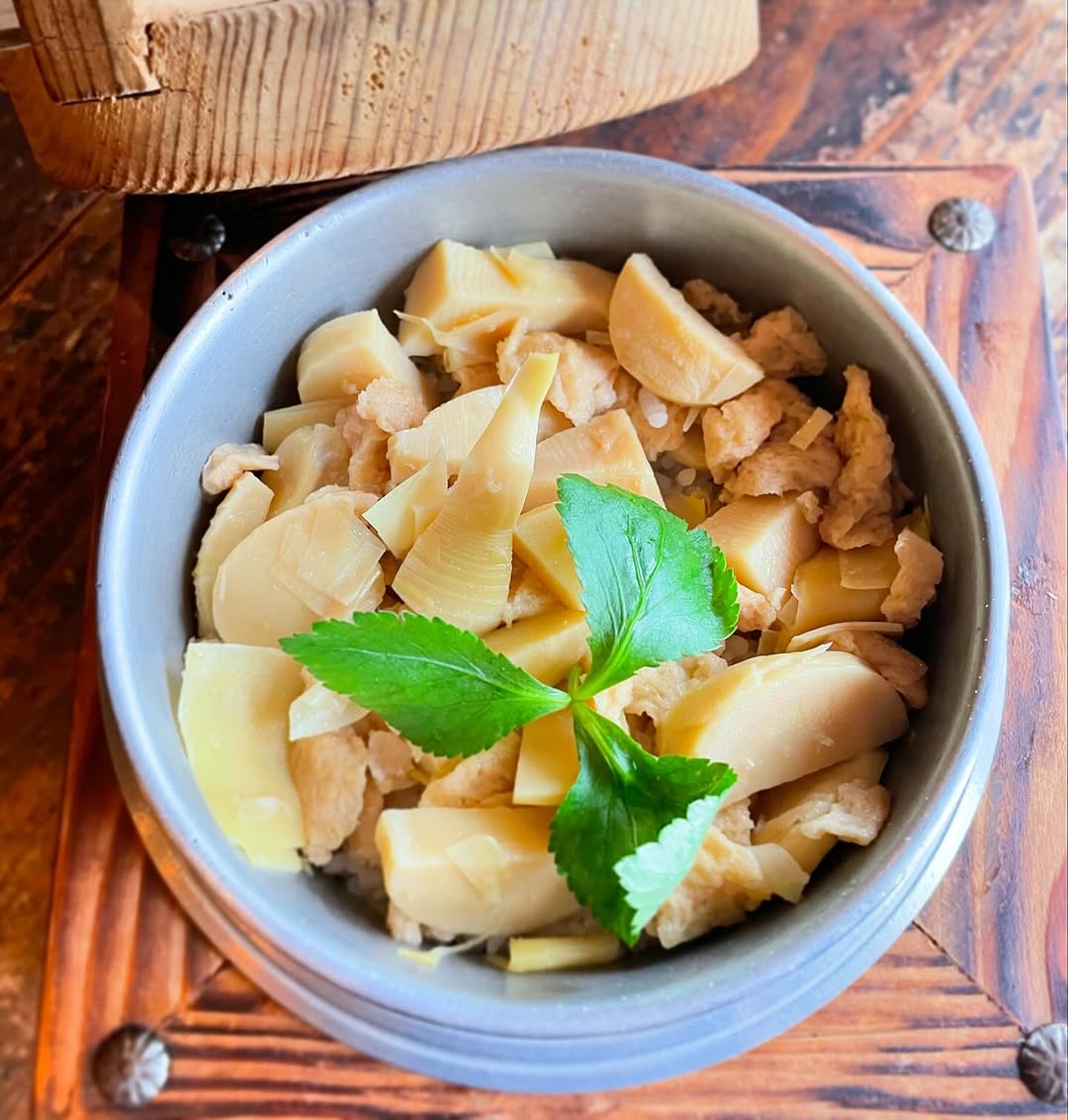
Another unique feature is that the restaurant prepares its vegan dishes without the five pungent vegetables such as garlic and green onions. This approach makes the meals suitable for Taiwanese Buddhist vegetarian cuisine as well, attracting visitors from Taiwan and other countries looking for authentic vegan Japanese food.
See Also
Vegan Kamameshi in Kumamoto: Traditional Taste, Plant-Based Style
Ryokan Hirayama – Vegan Dining at a Hot Spring Inn
For a more immersive experience, consider staying at Ryokan Hirayama (Google Maps), a traditional hot spring inn located in Ueki Onsen in Kumamoto City. Surrounded by nature, the ryokan is known for its relaxing atmosphere, natural hot springs, and seasonal Japanese cuisine.
Recently, the ryokan introduced a vegan course meal to accommodate international travelers. The course features vegan versions of popular Japanese dishes such as ramen, sushi, and tempura, allowing guests to experience Japanese food culture without animal ingredients.
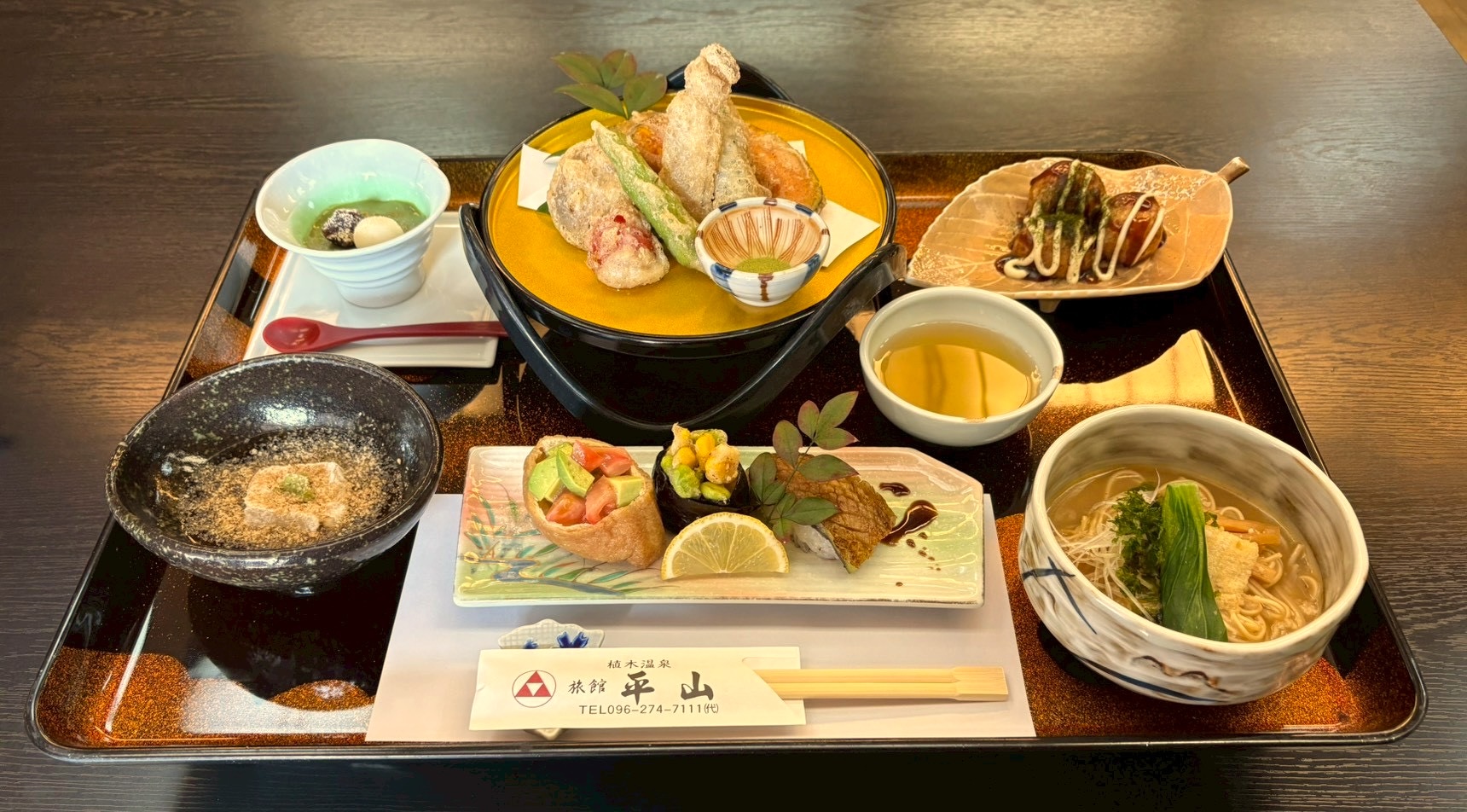
Enjoying a plant-based Japanese meal after soaking in a natural hot spring is a uniquely memorable experience—one that combines relaxation, culture, and culinary discovery.
See Also
A Hot Spring Ryokan In Kumamoto Now Serves Vegan Ramen, Sushi, And Tempura — All In One Stay