Real Experiences On Halal Food, Prayer Spaces, Rural Travel, And Japan’s Muslim-Friendly Side
For many Muslim travelers, visiting Japan is more than just sightseeing.
It is about finally seeing the places they grew up watching in anime, dramas, music videos, travel vlogs, and social media. It is about standing in front of Mount Fuji, walking through old castle towns, trying Japanese food, riding trains, and discovering whether Japan is truly comfortable for Muslim visitors.
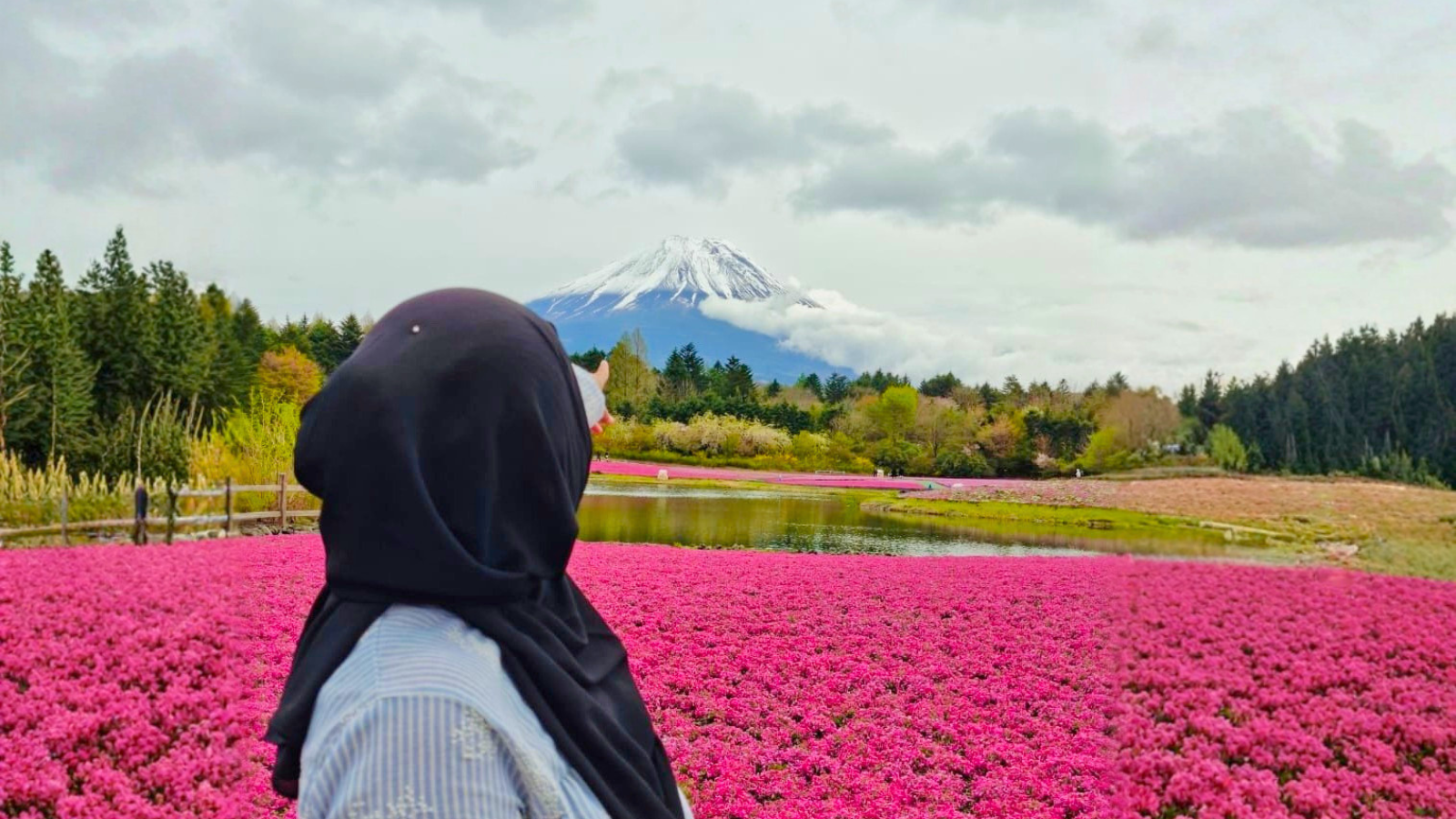
For Finni, an Indonesian Muslimah traveler we had the opportunity to talk with, Japan had been part of her imagination since childhood. Anime, Japanese dramas, music, castles, traditional sweets, cherry blossoms, and even concert venues made Japan feel like a dream destination.
At first, visiting Japan felt difficult to reach. But with easier travel procedures such as an e-passport and visa waiver access for Indonesian travelers, that dream became more realistic.
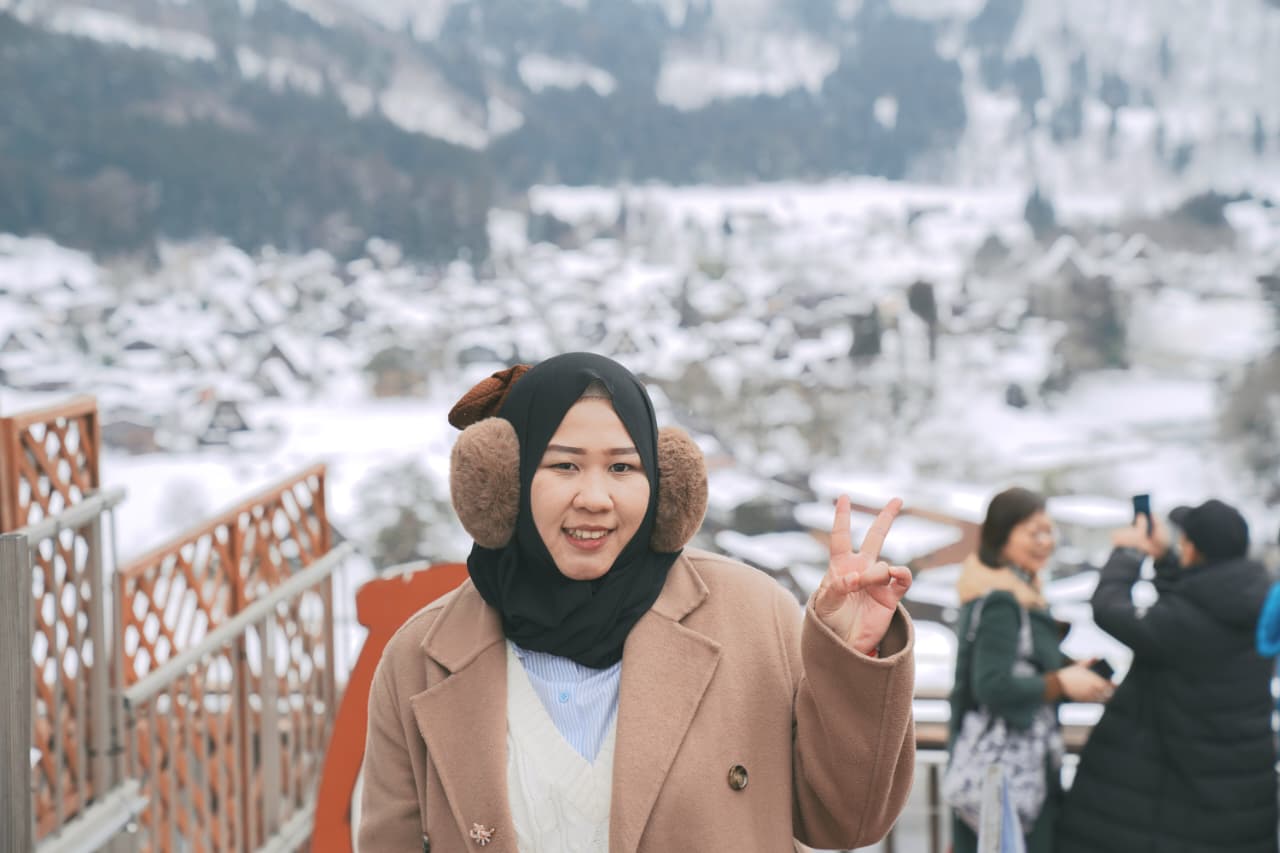
She finally visited Japan twice: first on a winter solo trip in early 2025, and again in spring 2026 with a friend. Both trips were planned independently, without a full tour package, and both included sightseeing, concerts, halal food hunting, prayer planning, and many lessons that can help other Muslim travelers prepare better.
This article summarizes her real travel experience in Japan, especially for Muslims who are planning their first visit.
Japan Felt More Muslim-Friendly Than Expected
One of the strongest impressions from her trip was that Japan is becoming easier for Muslim travelers, especially in major cities.
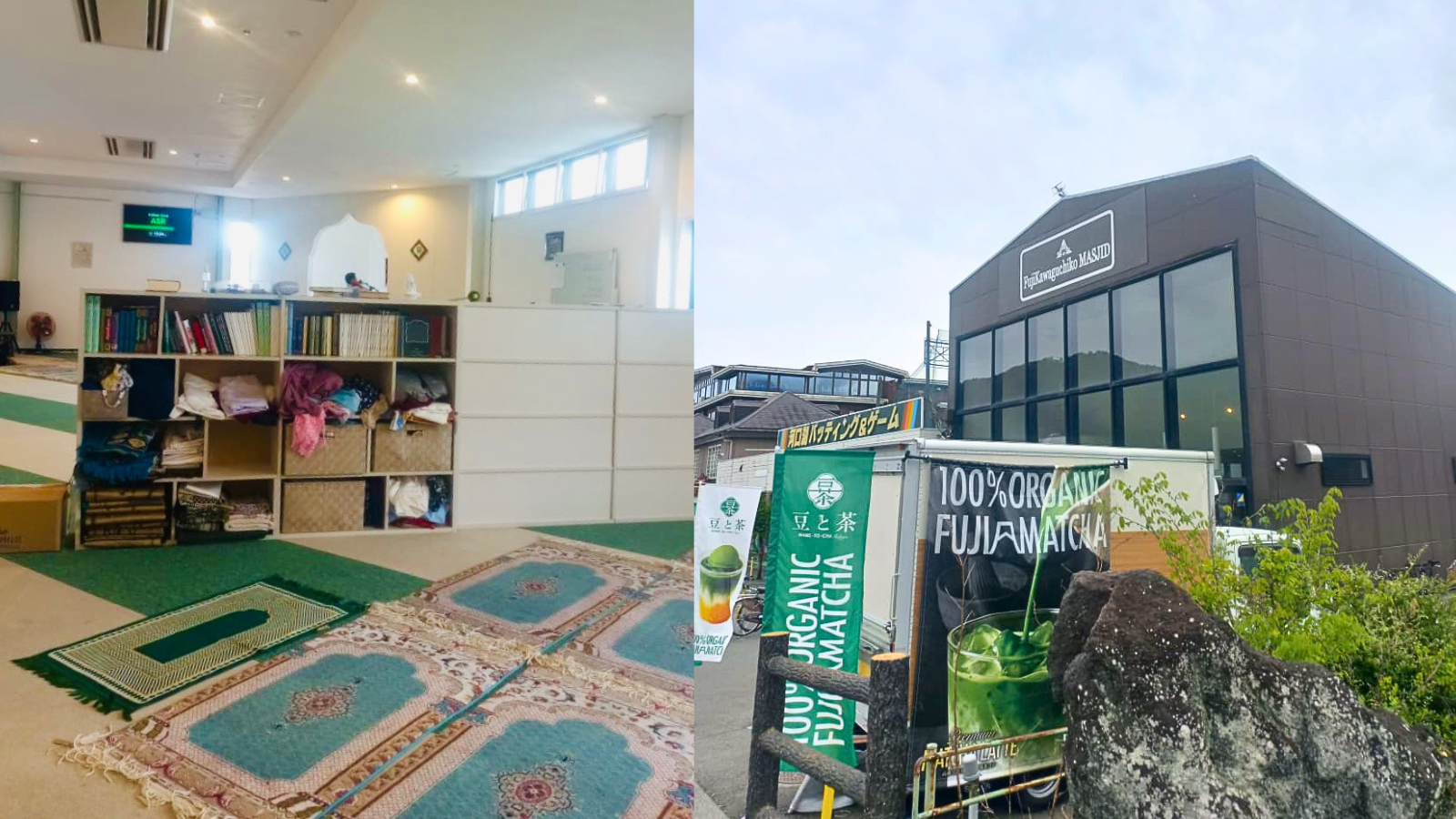
In Tokyo, Osaka, Kobe, Kyoto, and Yokohama, she found that halal food, prayer spaces, mosques, bidet toilets, tourist information centers, and English guidance were generally easier to access.
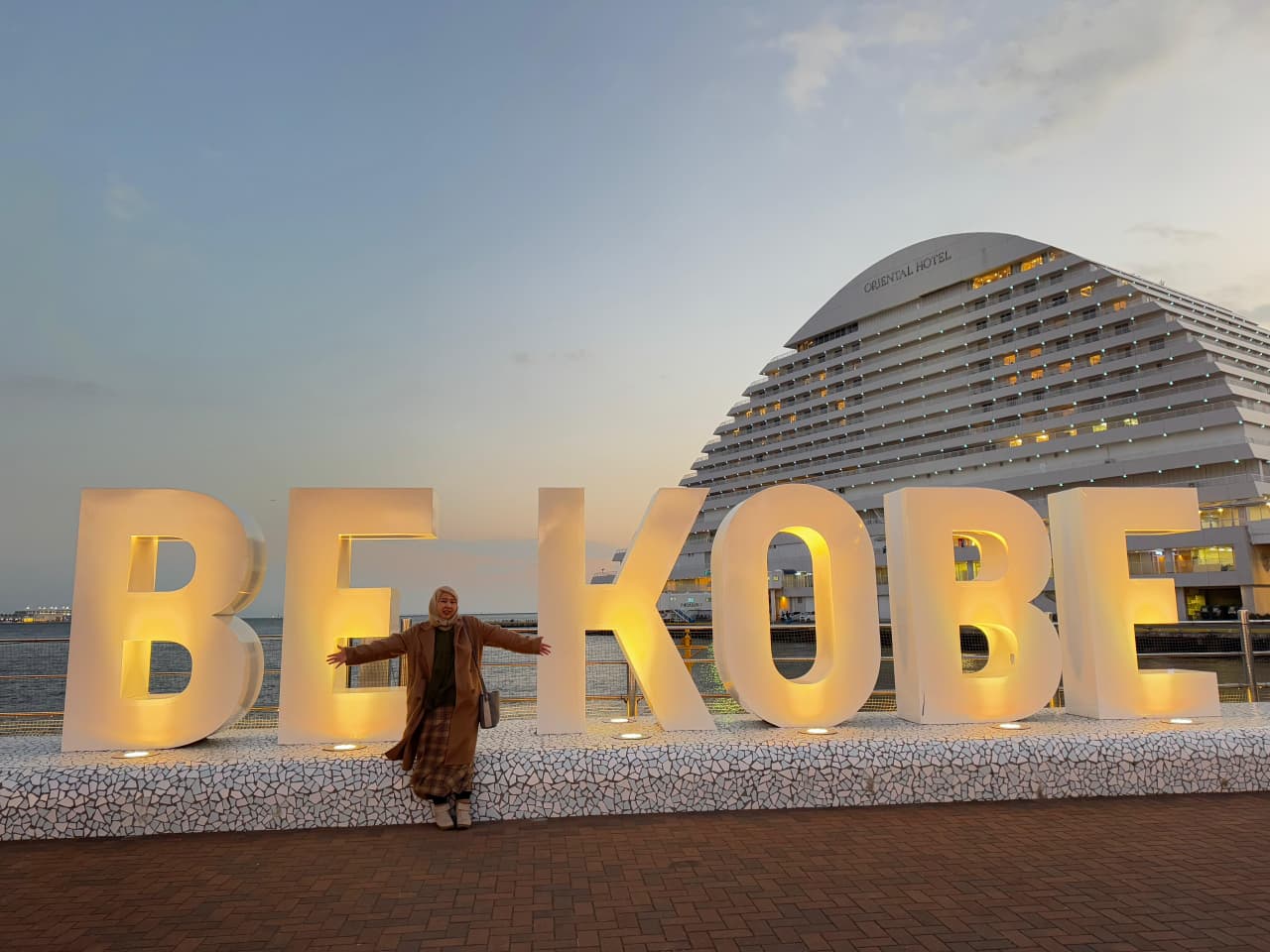
She also noticed that tourist information centers were helpful, clean, and well-organized. Some even provided free guidebooks that included information about mosques, prayer rooms, and halal food.
For Muslim travelers, this can make a big difference.
When you are in a country where you do not speak the language fluently, small things such as clear train signs, accurate Google Maps, friendly staff, and available prayer information can reduce a lot of anxiety.
However, her experience also showed one important point: Japan can feel very Muslim-friendly in big cities, but planning becomes much more important when visiting rural areas or smaller towns.