Community Gatherings, Mosque Iftars, And Daily Fasting Across The Country

Ramadan 2026 in Japan — the Muslim holy month of fasting and spiritual reflection — is taking place this year from mid-February through mid-March, and Muslim communities across the country are actively observing it through prayer, fasting, and shared meals called iftar.

Although Japan is not a Muslim-majority country, Muslim residents, expatriates, and visitors are observing Ramadan in cities across the archipelago, participating in local mosque programs, community events, and traditional worship practices during the fasting month.
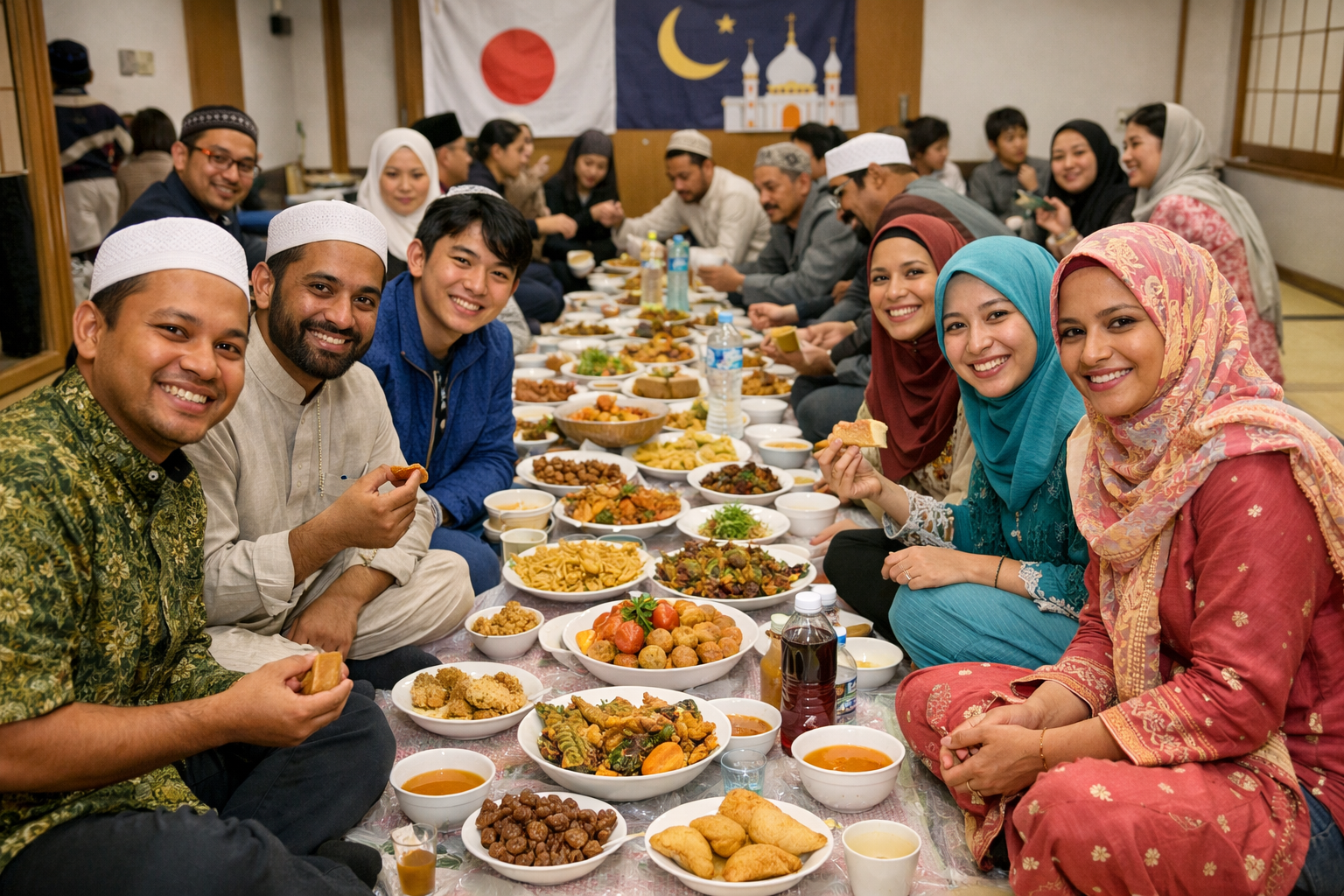
Iftar

When and How Ramadan Is Being Observed in Japan in 2026

In 2026, Ramadan began on February 19, as announced by Ruyat El-Hilal Japan, collaborating with Muslim countries on sighting of the new crescent moon, and will continue for approximately 30 days until around March 19. Eid al-Fitr — the celebration marking the end of fasting — is scheduled for March 20.

Muslims observing Ramadan in Japan will fast each day from dawn (suhoor or sehri) until sunset (iftar). Because the month occurs in late winter here, daylight fluctuations make daily fasting hours relatively moderate compared with summer months.

Prayer times during Ramadan are also widely shared with communities and attendees, with mosques organizing extra nightly prayers called taraweeh throughout the month.
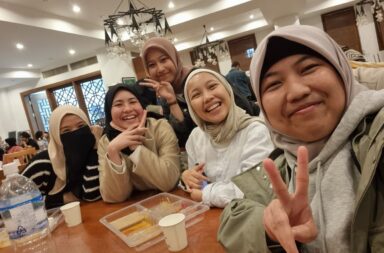
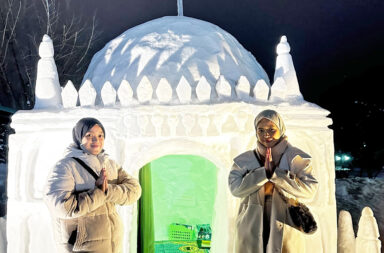
Community Iftar Gatherings Across Japan

One of the visible expressions of Ramadan in Japan is the growing number of iftar gatherings open to both Muslims and non-Muslims. For example:

These gatherings are often shared on Facebook and Instagram by mosques and community groups, signaling active social involvement and inclusion.

Daily Life: Fasting, Prayer, and Travel

In cities like Tokyo, Osaka, and Hiroshima, Muslim residents and visitors balance fasting with daily routines. Social media, mosque bulletins, and community message boards frequently provide updated prayer timetables and fasting/iftar schedules, helping fasting participants plan their days around prayer and meal times.

Many Halal-friendly restaurants, prayer spaces, and travel guides in Japan also post Ramadan-related information online, helping travelers observe Ramadan while visiting famous Japanese destinations during the slow transition from winter into spring.

Growing Awareness and Community Participation

Although the broader Japanese population may not always be familiar with Ramadan’s significance, the visibility of Ramadan events has grown through online platforms and community invitations. Social media posts from mosques, halal support organizations, and Muslim community centers have made it easier for both Muslims and interested locals to follow fasting schedules and prayer events throughout the month.

Through sharing events, daily schedules, and inclusive iftar gatherings on social media, the Muslim community in Japan continues to create spaces that highlight both the spiritual rhythm of Ramadan and opportunities for cultural exchange.

Practical Guide: Ramadan in Japan

For those observing Ramadan in Japan — whether residents or travelers — the following points summarize how the month is unfolding this year:

  • Dates: Expected from mid-February to mid-March, with slight variation depending on moon sighting.

  • Fasting Hours: Typically around 12–13 hours, making fasting in winter more manageable than in summer.

  • Mosque Activities: Daily taraweeh prayers and iftar meals are organized at major mosques, especially in Tokyo and other large cities.

  • Community Events: educational programs and cultural exchange sessions are shared on social media to welcome broader participation.

  • Ramadan End: The month concludes with Eid al-Fitr celebrations expected on March 20.

By bringing these together, Ramadan 2026 in Japan reflects a growing visibility and accommodation of Islamic practices — even outside Muslim-majority regions — while fostering cross-cultural understanding.