This post is also available in:
Kojima: Where the World Gathers, Now a Destination for Inclusive Dining
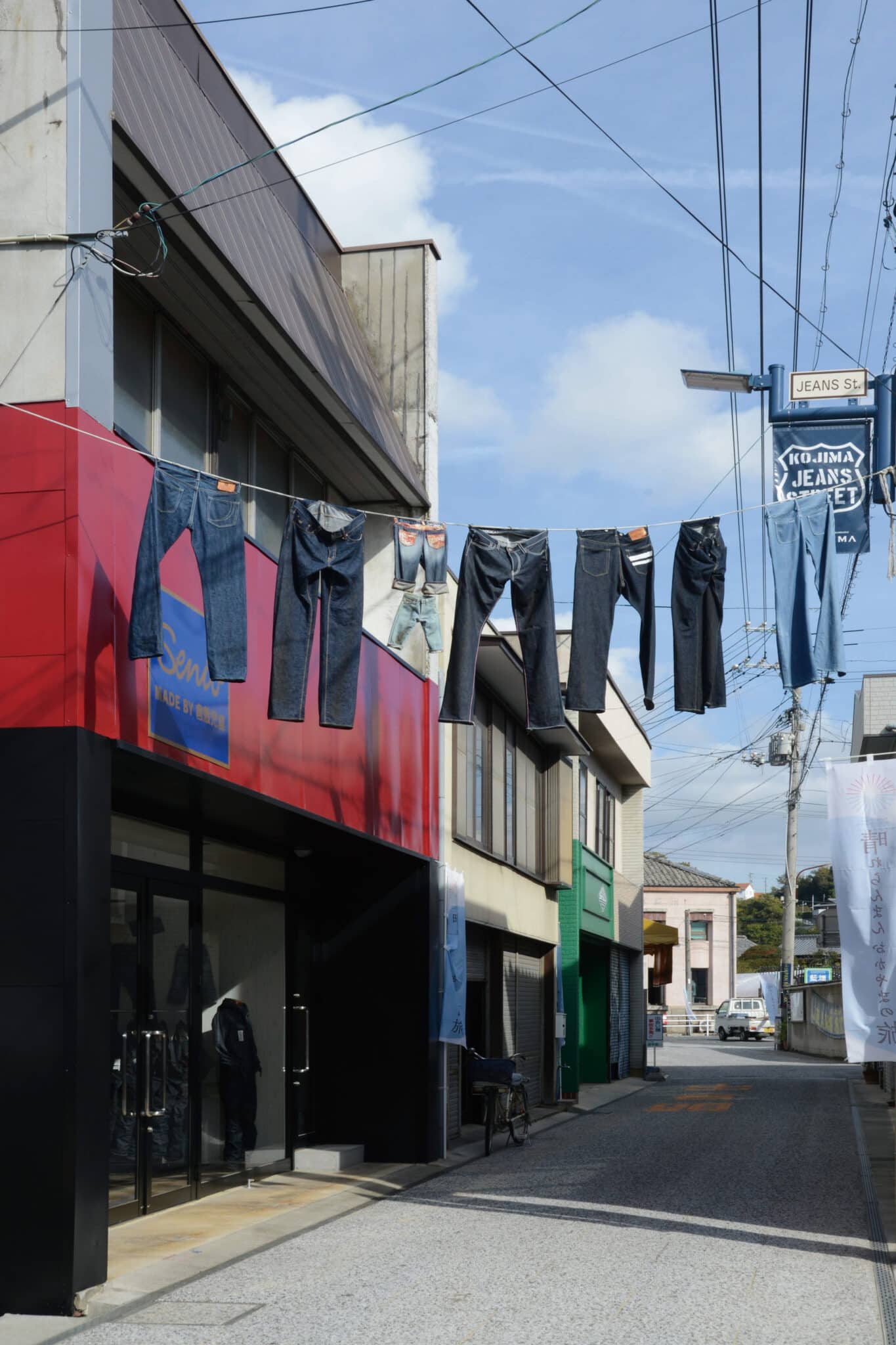
In Kojima, Kurashiki City, Okayama Prefecture—a place revered as the “Holy Land” by denim lovers worldwide—a new evolution is unfolding. It is the pursuit of “Food Diversity”: a commitment to naturally welcoming travelers of all cultures and dietary habits, including Muslim, vegetarian, and vegan guests.
Kojima is a town defined by its artisans, where a spirit of craftsmanship (Monozukuri) ensures that a user’s specific needs are reflected in every single thread and stitch. Today, this uncompromising craft transcends denim. it is now expressed through “Culinary Customization,” honoring the dietary requirements and cultural backgrounds of every individual who visits.
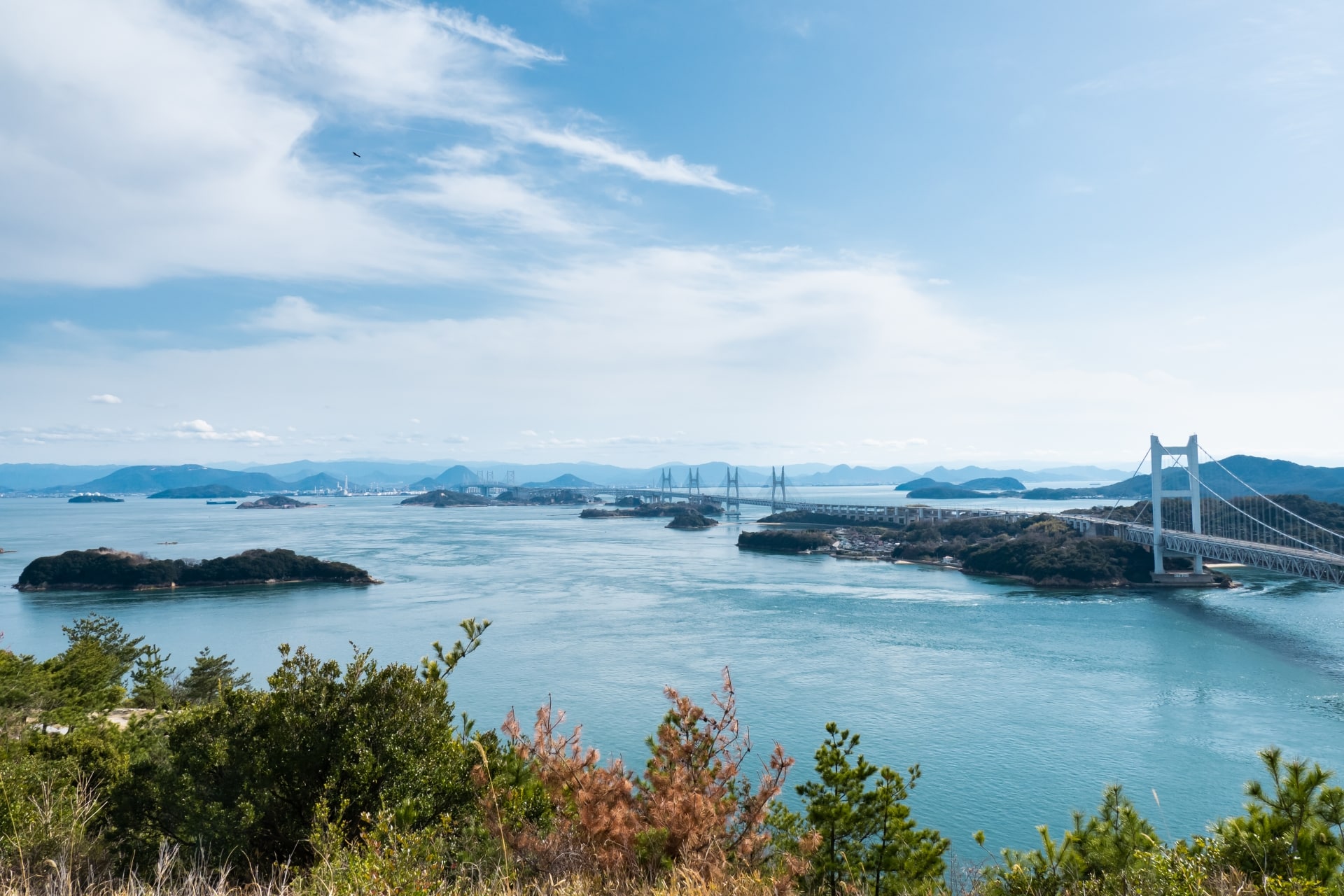
View from Washuzan Rest House
1. Breathtaking Views and Peace of Mind: Washuzan Rest House Google Map
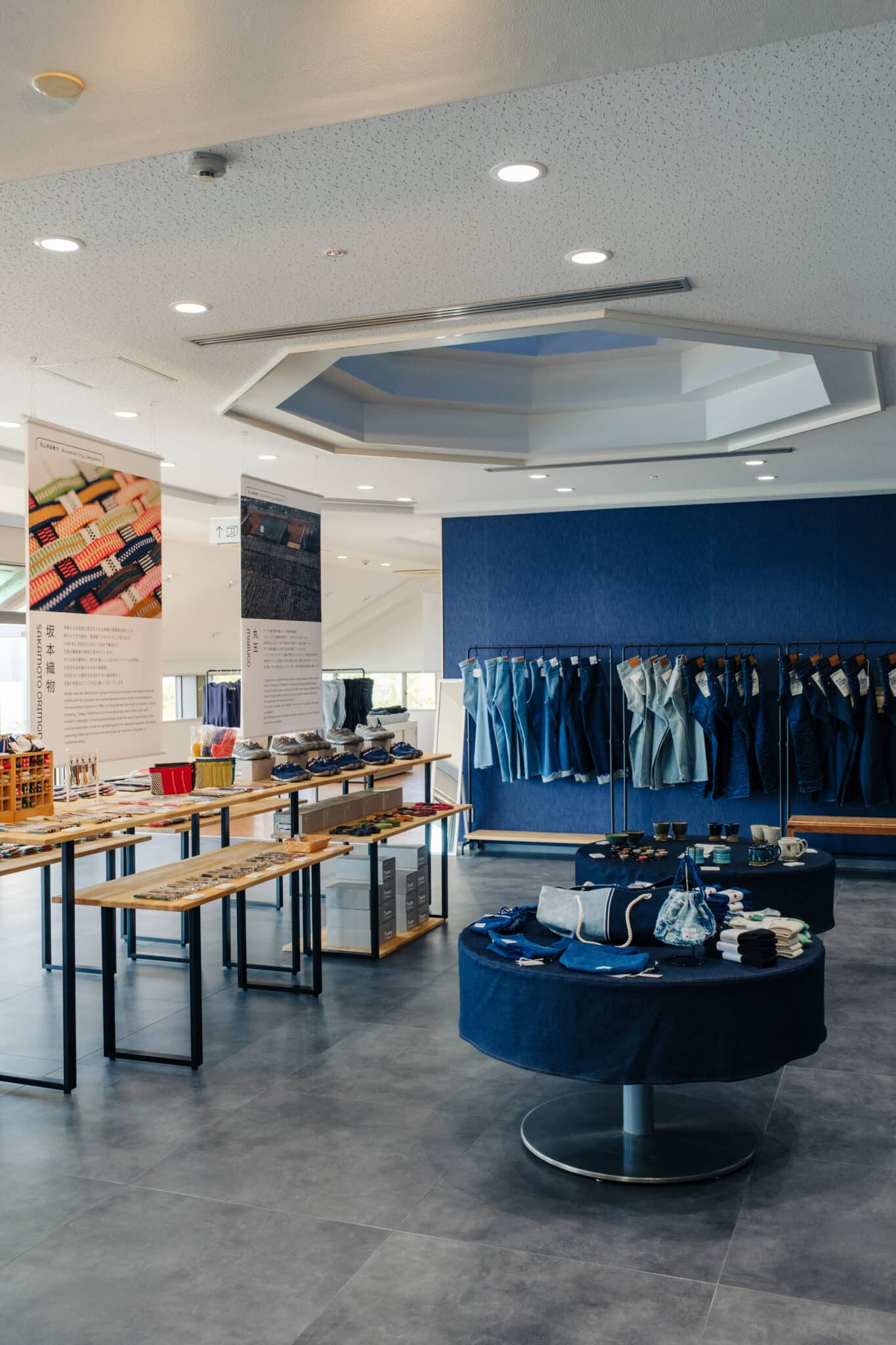
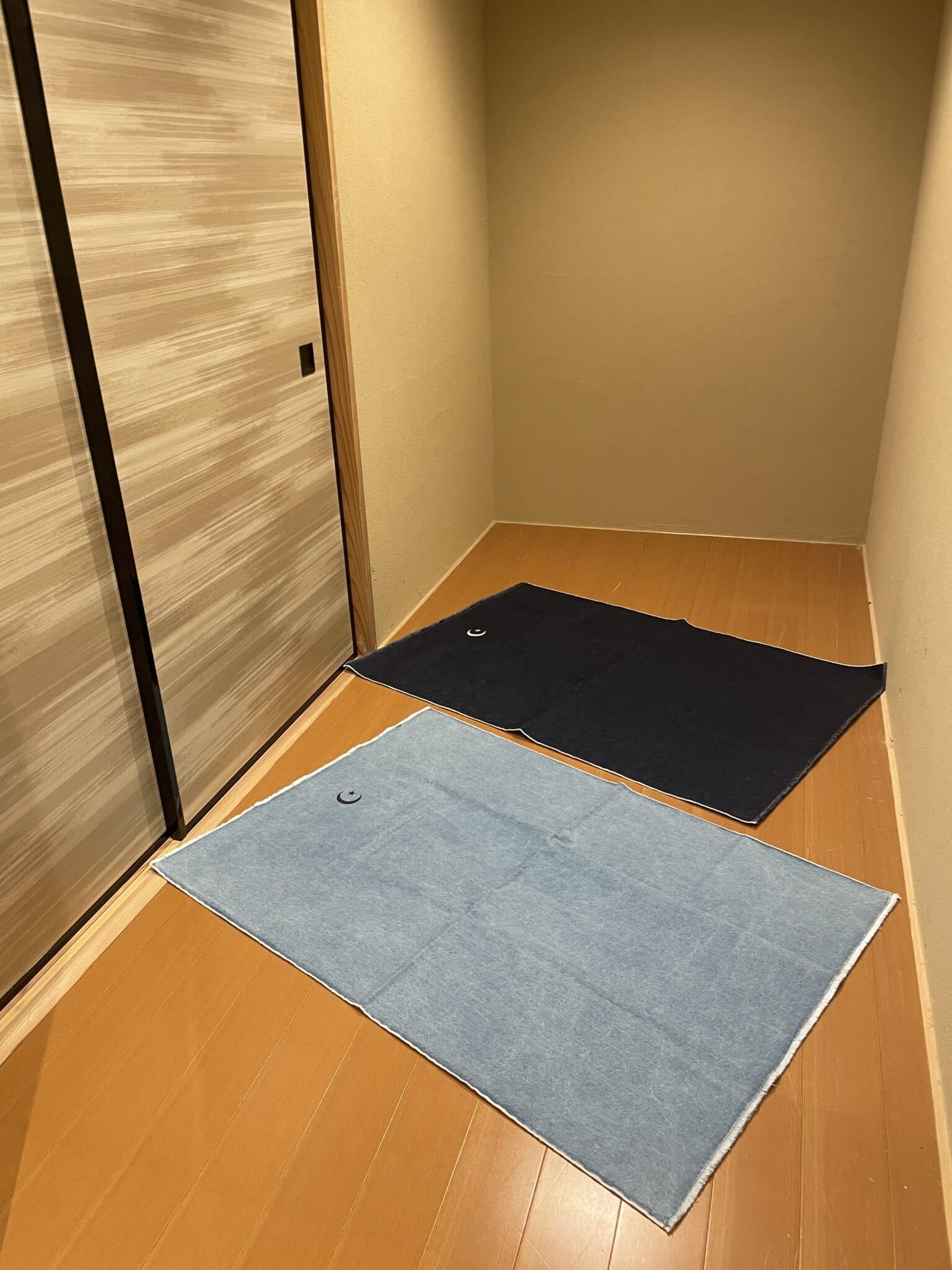
The Washuzan Rest House, offering a panoramic view of the scattered islands of the Seto Inland Sea, is a hub for sightseeing where guests can enjoy meals, scenery, and shopping for Kojima’s famous textiles. To ensure comfort for all, the facility features a “Quiet Space”—a dedicated room for prayer or meditation available to guests of any religion or culture.
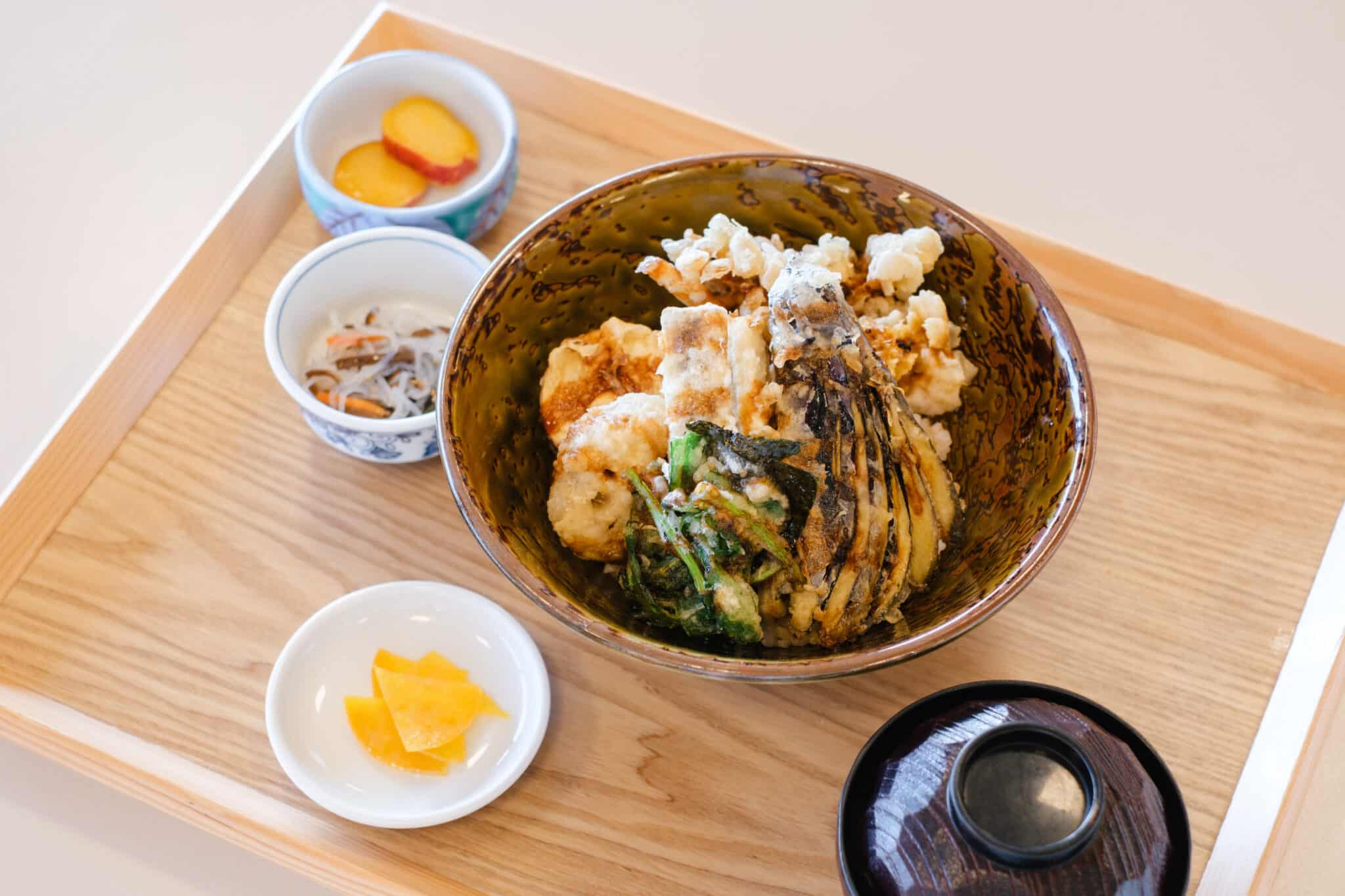
At the onsite “Local Shokudo” (cafeteria), they serve the “Okayama Seasonal Vegetable Tempura Bowl.”Prepared entirely without animal products or alcohol, this dish maximizes the natural umami of local ingredients. It offers vegetarians and Muslim travelers the simple yet profound joy of sharing the same menu at the same table as their companions.
(Note: Vegan menus are scheduled to launch around April 2026.)
2. Artisan Craftsmanship in Local Soul Food: Matsuya Seimen Google Map
The unique “Kojima Udon” culture blossomed through a long history of cultural exchange with the Sanuki region across the water. It is said that many udon shops in Kojima began topping their noodles with hearty side dishes to provide quick, filling meals for busy garment factory workers.
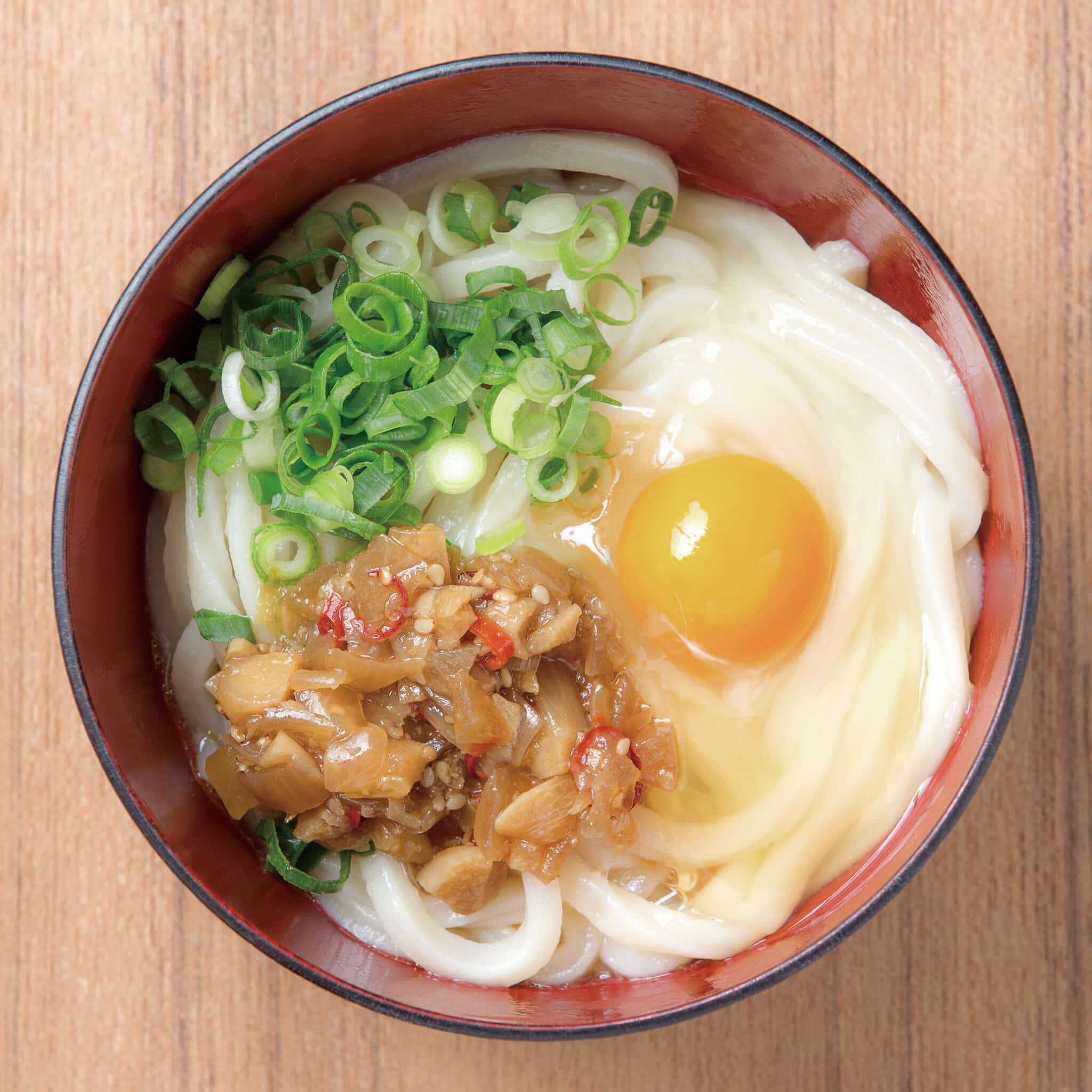
At Matsuya Seimen, a popular spot for locals and tourists alike, visitors can experience local soul food adapted for diverse needs. Their “Kurashiki-Style Revolutionary Kamatama Udon W (KAMATAMA RA-YU UDON W)” is crafted with a plant-based broth free of meat or fish extracts and uses Halal-friendly seasonings. With the option to include or exclude the raw egg, this dish allows anyone—regardless of their background—to enjoy the rich aroma of wheat and the multi-layered flavors unique to a traditional noodle manufactory.
3. Turning Dietary Restrictions into “Delicious Choices”: Soup Bar 8bySETOIRO Google Map
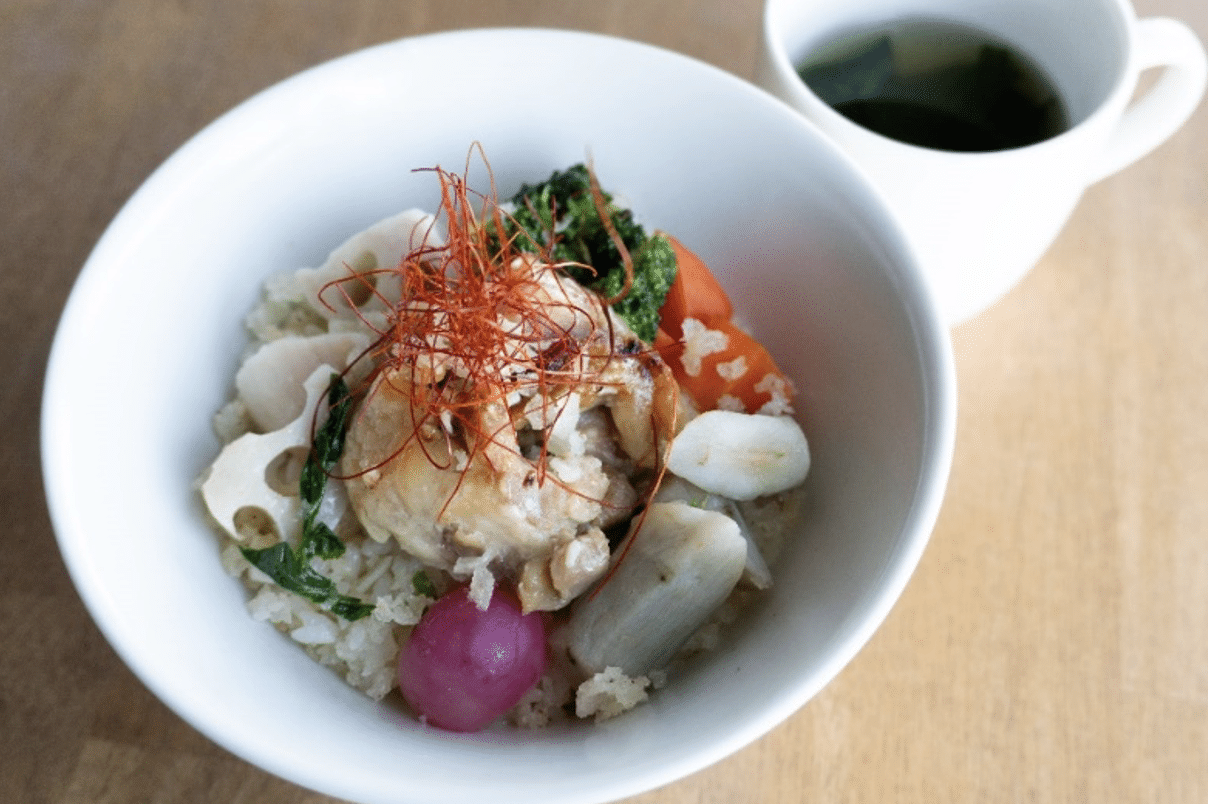
Located near the Kojima Jeans Street, Soup Bar 8bySETOIRO is a symbol of food accessibility in the area. This spot is characterized by its flexible menu, which covers Vegan, Halal, Gluten-free, and even Oriental Vegetarian (Gokun-free) requirements.
Their “Teriyaki Grilled Vege Bowl with Crunchy Tempura Bits” (known locally as the “Heavenly Grilled Vegetable Bowl”) is a vegan-based dish that offers the option to add Halal meat toppings upon request. By using homemade rice-flour tempura bits, they also achieve a gluten-free finish. Here, dietary restrictions are not viewed as “limitations,” but are instead sublimated into “delicious choices” that everyone can enjoy together.
Toward a “Denim Town” Where Everyone Can Be Themselves
As you stroll down Kojima Jeans Street at the end of your journey, you will feel both the passion of the artisans who have protected this craft for generations and their openness to embracing new cultures.
Kojima draws people from across the globe in search of the perfect denim. It is transforming into a place where the scenery is a beautiful indigo blue, and where every traveler, no matter their background, can dine with peace of mind and feel truly at home.