Why Japanese Food Tops Travelers’ Wish Lists and How Muslim, Vegan and Vegetarian Travelers Can Explore Japan’s Regional Flavours
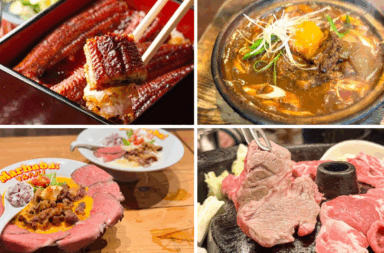
What is the one thing you look forward to most when visiting Japan?For many international travelers, the answer is food.
According to data presented by Japan’s Ministry of Agriculture, Forestry and Fisheries (MAFF), 98.2%* of international visitors surveyed in 2025 ate Japanese food during their stay, making it the most popular activity among visitors. Eating Japanese food also ranked first among activities travelers wanted to experience on their next visit, at 70.7%*.
*Source: Japan Tourism Agency (観光庁); Inbound Consumption Trends Survey, 2025 Annual Report(インバウンド消費動向調査 2025年年次報告)
But Japanese food culture goes far beyond sushi, ramen and Wagyu.
From seasonal ingredients and traditional fermented foods to regional specialties passed down through generations, every part of Japan offers something different to discover, and with the right information, Muslim, vegan and vegetarian travelers can explore many of these culinary experiences too.
What Is Washoku, and Why Is It Special?
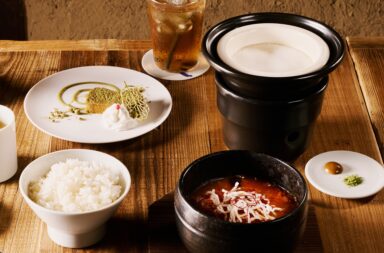
Every November 24, Japan celebrates Washoku Day, an occasion dedicated to appreciating and preserving its traditional food culture. In 2013, Washoku, the traditional dietary culture of the Japanese people, was inscribed on UNESCO’s Intangible Cultural Heritage list.
Washoku is more than a collection of Japanese dishes. It reflects a way of eating rooted in respect for nature, seasonal ingredients, local traditions and sharing meals with others.
Some of its distinctive characteristics include:
- Appreciating diverse, fresh and seasonal ingredients
- Bringing out the natural flavors of food
- Creating nutritionally balanced meals
- Expressing the beauty of nature and the changing seasons
- Connecting families and communities through food and annual celebrations
These traditions can be experienced not only at fine dining restaurants but also through everyday meals, local markets and regional food experiences.
Discover a Different Taste of Japan in Every Region
Eating regional cuisine ranked first (51%)* among activities international travelers wanted to experience when visiting Japan’s regional areas, according to a separate 2025 survey by the Development Bank of Japan and Japan Travel Bureau Foundation.
*Source: Development Bank of Japan (DBJ) and Japan Travel Bureau Foundation (JTBF); Survey on Tourist Travel to Japan from Asia, Europe, the United States, and Australia, 2025 Edition
Japan’s diverse climate, geography and local ingredients have shaped distinctive culinary traditions across the country. Here are some iconic regional specialties to discover on your next trip.
Hokkaido
Famous for Genghis Khan (grilled lamb), fresh seafood such as crab, scallops and sea urchin, Sapporo miso ramen, soup curry, dairy products and locally grown potatoes.
Tohoku
Discover Aomori’s apples, Iwate’s wanko soba (buckwheat noodles served in small bowls), Akita’s kiritanpo (grilled rice sticks), Yamagata’s imoni (taro stew) and Sendai’s gyutan (grilled beef tongue).
Kanto
From Tokyo’s Edomae sushi, tempura, and monjayaki (a savoury pan-fried batter dish) to Saitama’s sweet potato sweets and udon, Tochigi’s Utsunomiya gyoza and Gunma’s Mizusawa udon.
Hokuriku
Known for fresh seafood from the Sea of Japan, including winter crab and yellowtail, as well as Toyama’s masu sushi (pressed trout sushi), Ishikawa’s jibuni (traditional thickened stew) and Fukui’s oroshi soba (buckwheat noodles with grated daikon).
Chubu
Explore Nagano’s Shinshu soba and oyaki (stuffed dumplings), Yamanashi’s hoto (wide noodles simmered with vegetables), Shizuoka’s green tea and eel, Gifu’s Hida beef, and Nagoya-meshi, through miso katsu (cutlets with miso sauce), miso nikomi udon, and tebasaki (seasoned chicken wings).
Kansai
Discover Osaka’s takoyaki and okonomiyaki, Kyoto’s tofu, yuba (soy milk skin), shojin ryori (Buddhist vegetarian cuisine) and matcha sweets, Kobe’s premium beef, and Nara’s kakinoha sushi (sushi wrapped in persimmon leaves).
Chugoku
Enjoy Hiroshima’s layered okonomiyaki, oysters and momiji manju (maple leaf-shaped sweets), Okayama’s barazushi (scattered sushi), Shimane’s Izumo soba and Tottori’s Japanese pears.
Shikoku
Known for Kagawa’s Sanuki udon, Kochi’s katsuo no tataki (seared bonito), Ehime’s mikan citrus fruits and taimeshi (sea bream rice), and Tokushima’s sudachi citrus and Tokushima ramen.
Kyushu
Discover Fukuoka’s Hakata ramen and motsunabe (offal hot pot), Nagasaki’s champon noodles and castella cake, Kumamoto’s basashi (horse meat sashimi), Miyazaki’s chicken nanban and Kagoshima’s sweet potato specialties.
Okinawa
Experience Okinawa’s distinctive island food culture through Okinawa soba, goya champuru (bitter melon stir-fry), taco rice, beni-imo (purple sweet potato) sweets and tropical fruits.
Important: These regional specialties are introduced for their cultural significance and are not necessarily halal, vegan or vegetarian. Ingredients, seasonings and preparation methods should always be checked before ordering.
Is Traditional Japanese Food Suitable for Muslim, Vegan and Vegetarian Travelers?
Japanese cuisine uses a wide variety of vegetables, rice, soybeans, mushrooms, seaweed and other plant-based ingredients. However, the ingredients you can see do not always tell the whole story.
A seemingly simple vegetable dish may contain fish-based stock, while grilled seafood may be seasoned with mirin or cooking sake.
Understanding some common Japanese ingredients can help you make more informed food choices.
Understanding Common Japanese Ingredients and Cooking Methods
Japanese cuisine offers a rich variety of ingredients, seasonings and cooking methods. Understanding how dishes are prepared can help travelers with different dietary requirements enjoy Japanese food with greater confidence.
Dashi (Japanese stock)
Often made with bonito flakes or dried fish, even when used in vegetable-based dishes. Dashi made exclusively from kombu (kelp) or shiitake mushrooms offers plant-based alternatives.
Mirin and cooking sake
Traditional alcohol-containing seasonings used to enhance the flavour of Japanese dishes. Muslim travelers may wish to check their use in dishes, sauces and marinades.
Soy sauce
Alcohol can occur naturally during fermentation, and some products contain added alcohol. Muslim travelers should check individual products according to their dietary requirements.
Miso
Traditionally made from soybeans, salt and koji. Some products contain added alcohol for preservation, while miso soup and other miso-based dishes may be prepared with fish-based dashi.
Cooking oil and fats
Some dishes may be prepared using animal-derived fats, such as lard. Shared frying oil and cooking equipment may also be considerations depending on individual dietary requirements.
Wagashi (Japanese sweets)
Many traditional sweets are made with plant-based ingredients such as rice, beans and sugar. However, some varieties contain dairy products, eggs, honey that could be a concern for vegans/vegetarians.
Rather than avoiding Japanese dishes based on their names or appearance, travelers are encouraged to check the ingredients and preparation methods according to their individual dietary requirements.
Make Food Part of Your Next Japanese Adventure
Whether you are discovering traditional sweets in Kawagoe, enjoying tofu in Kyoto, exploring Nagoya’s miso-based cuisine or tasting Hokkaido’s local specialties, there is so much more to Japanese food than its internationally famous dishes.
Understanding local food culture and knowing what ingredients to look out for can open the door to new culinary experiences.
At Food Diversity Today, we continue to introduce restaurants, food products and travel experiences that help Muslim, vegan and vegetarian travelers discover Japan’s rich food culture.
On your next visit, why not explore a new region through its local food?